Dalmatian Riviera
You are here: Home > Destinations > Croatia > Dalmatian Riviera
About Dalmatian Riviera
Dalmatian Riviera (Central Dalmatia)
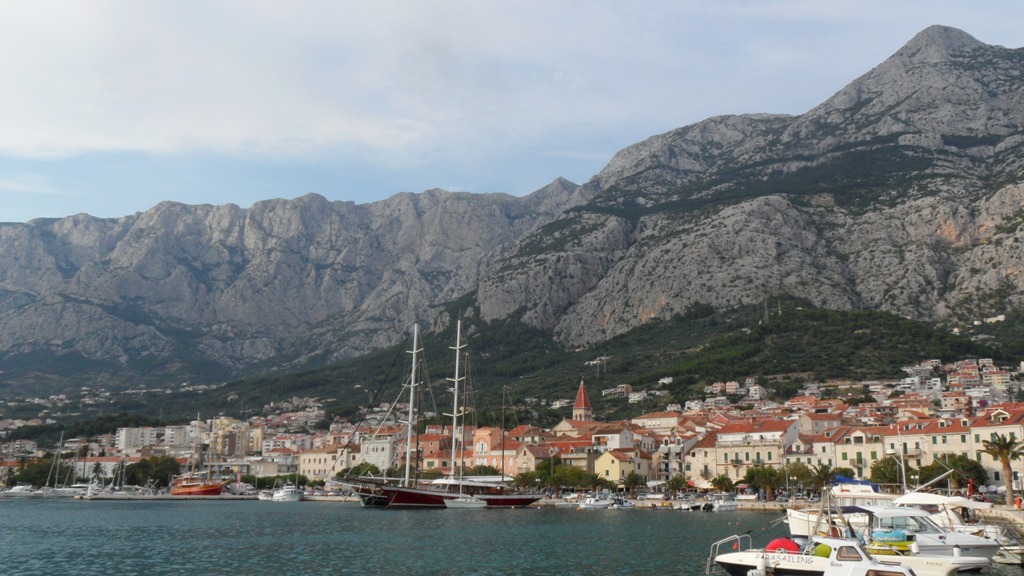
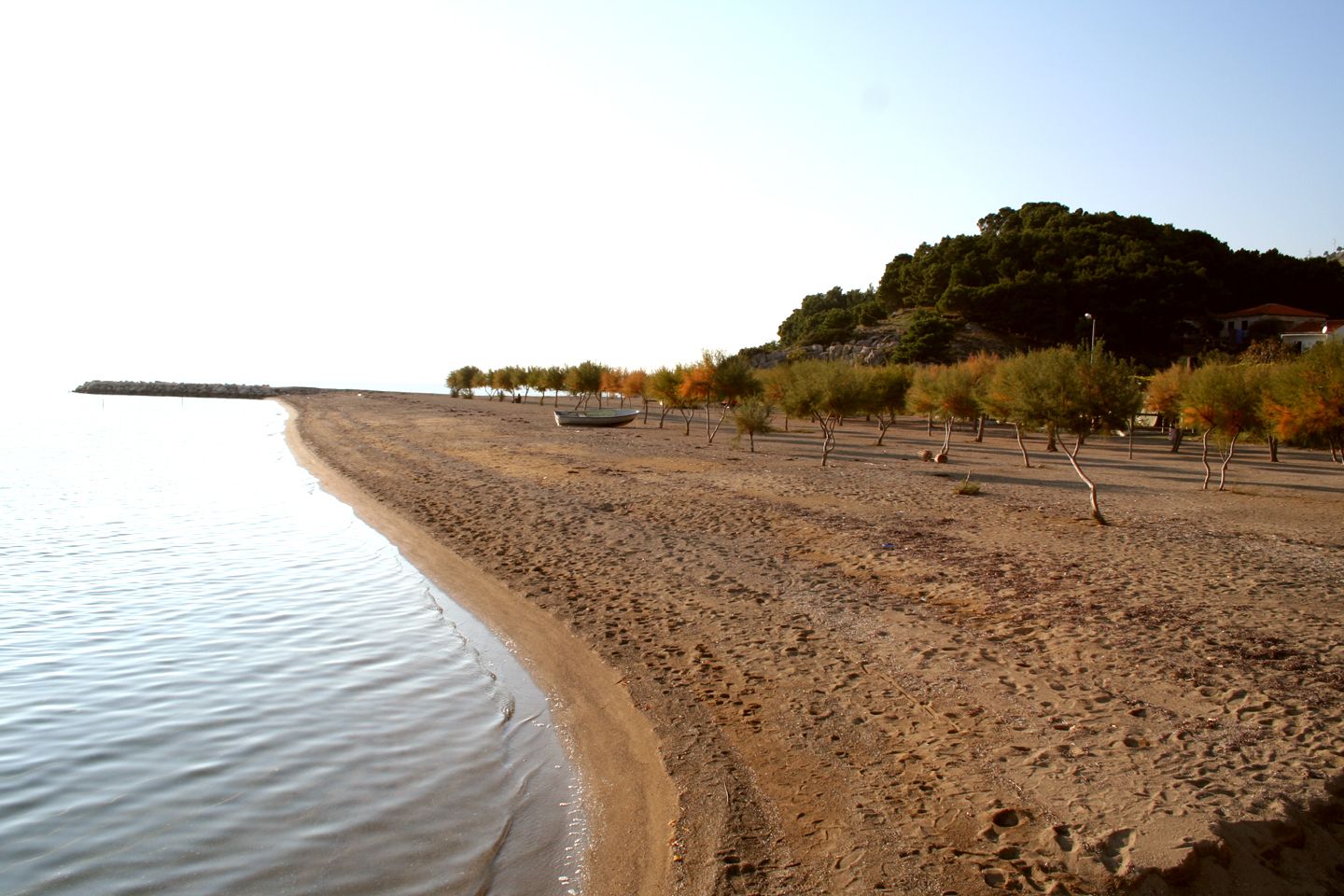
The Dalmatian coastal region is celebrated for its superb beaches, clear waters and pretty resorts. The most famous stretch — running through Brela, Baška Voda, Tučepi, Gradac and Makarska — is the Makarska Riviera, often considered one of Croatia’s most beautiful coastlines thanks to its long white‑pebble beaches, pine forests and the dramatic backdrop of Mount Biokovo rising almost sheer above the sea.
Beaches here tend to be longer and more spacious than in many other parts of Croatia, though there are still tranquil coves tucked beneath fragrant pine trees. Traditional stone villages, churches and small harbours sit close to modern seaside promenades. The Riviera is also ideally placed for boat trips to the islands of Hvar and Brač, and for excursions north to Split and Trogir, or south toward Dubrovnik and Korčula.
Biokovo Nature Park
Mount Biokovo is the highest mountain in Dalmatia and Croatia’s second highest peak at 1,762 m, crowned by Sveti Jure (St George). The most accessible part is Biokovo Nature Park, open from April to mid‑November, with designated trails, ranger stations and the well‑known Skywalk — a glass observation platform at 1,228 m extending over the cliff edge with panoramic views of the Adriatic and nearby islands.
From Makarska, it is only a 1.8‑mile walk to Vošac peak (1,422 m), and from Vošac it is a further two hours on marked paths to Sveti Jure. On exceptionally clear days, views stretch across Bosnia and even toward Italy across the Adriatic.
The park is rich in wildflowers, including species such as the Biokovo bellflower, and is known for over 400 caves and pits and occasional sightings of wild goats. The Kotišina Botanical Garden, founded for conservation and education, showcases the area’s diverse Mediterranean flora.
Makarska
Makarska is a vibrant hub of the Riviera, known for its horseshoe‑shaped bay, long promenade and excellent position for excursions. A regular ferry connects Makarska with Sumartin on Brač (approx. 40 minutes), while locally you’ll find a lively evening atmosphere, cafés, markets and a long stretch of white‑pebble beach with smaller inlets for quieter bathing.
Makarska’s origins lie with the Illyrians and Romans. From the 15th century it shifted between Venetian and Ottoman control until the fall of Venice in 1797. Under French rule (1806–1813) the town expanded; afterwards it passed to the Austrians, whose administration brought Italian cultural influences. A couple of important sights are:
- Franciscan Monastery (1614) with a renowned Malacological Museum, said to hold one of the world’s largest shell collections.
- St Mark’s Church (1776) on Kačić Square.
Makarska’s gently sloping beaches make it a good choice for families. Watersports, boat excursions and access to Biokovo’s hiking trails round out the experience.
Omiš
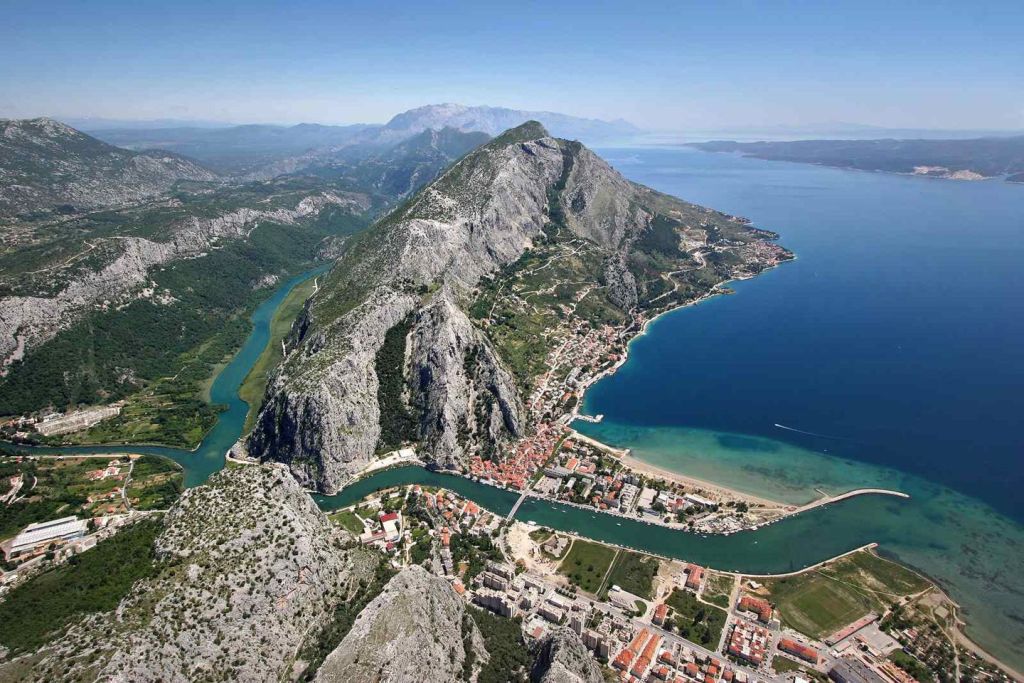
The town of Omiš sits dramatically at the mouth of the Cetina River, surrounded by high cliffs. Long associated with medieval “pirate” history, its setting makes it a hub for outdoor adventure: canyoning, rafting, zip‑lining, climbing and hiking. Visitors can explore the charming old town and climb the Mirabella Fortress for views over the river mouth. Omiš lies within easy reach of Split (25 km), Trogir (50 km), Makarska (40 km) and Brač, and the 30 km Omiš Riviera features many bays, cliffs and beaches beside exceptionally clear water.
Cetina River Canyon
Running for just over 100 km, the Cetina is Dalmatia’s longest river. Its most dramatic feature is the Cetina Canyon, protected as a “Significant Landscape” since 1963.
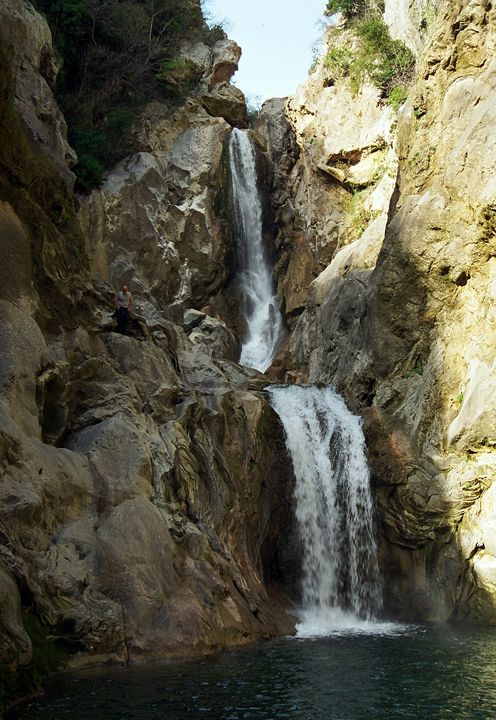
- The Gubavica Waterfall near Zadvarje drops 48 m and is one of Croatia’s most impressive falls.
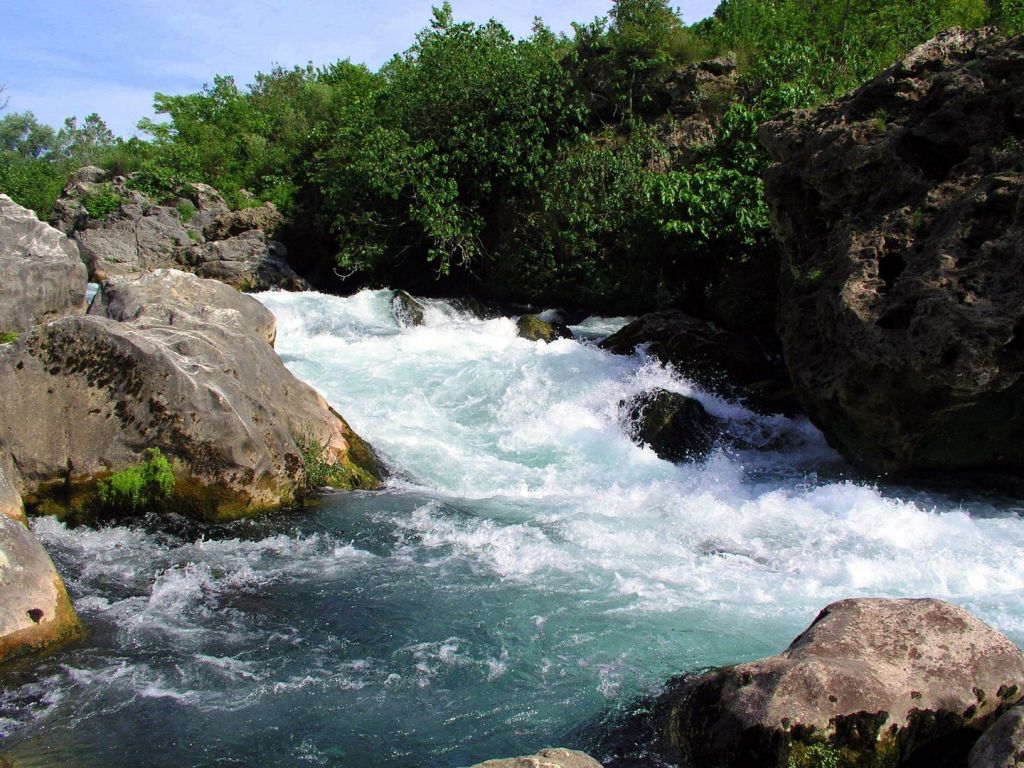
- Upper stretches of the river feature rapids and deep ravines; the lower sections widen into slow‑moving, lake‑like waters backed by high canyon walls.
- The river supplies drinking water to much of Dalmatia and is known for its clarity and trout population.
The river meets the sea at Omiš in a spectacular narrow ravine.
Šibenik
Protected by mountain ridges and bathed in sea air, Šibenik is the oldest Croatian‑founded city on the Adriatic, first recorded under its present name in 1066 in a charter of King Petar Krešimir IV. For a time it served as his royal seat. Šibenik’s greatest treasure is the Cathedral of St James (Katedrala sv. Jakova) — a UNESCO World Heritage Site since 2000. Built 1431–1536, it is celebrated for:
- its unique construction entirely in stone,
- the fusion of Gothic and Renaissance styles,
- the remarkable frieze of 71 sculpted faces adorning the exterior.
Šibenik is surrounded by two national parks:
- Krka National Park, famous for waterfalls, Visovac islet and karst canyons.
- Kornati National Park, a nautical paradise of 89 islands and reefs.
Gradac
The southernmost town of the Riviera, Gradac, is admired for its panoramic views of Biokovo descending dramatically to the sea. Gornja Vala, its largest and most beautiful beach, is a long crescent of white pebbles with exceptionally clear water.
Nearby Zaostrog holds one of the region’s most significant monasteries — the Franciscan Monastery of St Mary, founded in the 14th century and containing a library of more than 30,000 works. The area was affected by the 1962 Dalmatian earthquakes, which reshaped several settlements, including Zaostrog, which moved closer to the coast during its rebuilding.
Other Places of Interest
Marina
A small coastal town fringed by olive groves and vineyards, with easy access to Trogir, a UNESCO-protected historic city.
Brela
Famous for the Punta Rata beach (often listed among the world’s best) and the iconic Brela Stone. The town offers long promenades shaded by pine forests and a relaxed, upmarket atmosphere.
Baška Voda
A lively resort with excellent beaches such as Nikolina Beach (Blue Flag) and a charming harbour. Facilities and restaurants make it very family‑friendly.
Tučepi
Home to the longest beach on the Riviera — nearly 4 km of white pebbles — backed by pine trees and close to Biokovo. Known for its laid‑back charm and quality hotels.
We look forward to being of service.
Hotels to visit
Where to stay
.jpg)
.jpg)
.jpg)
.jpg)
.jpg)
.jpg)

.jpg)
Flexible Tailor-Made Holidays
- We believe passionately that no two holidays should be the same.
- With our flexible tailor-made holiday options you can travel at your own pace.
- Rediscover a city, a resort or an island in a weekend or longer.
- Take a small group tour or embark upon a more adventurous trip.
Trusted Service
- ATOL cover for flight inclusive holidays.
- One of us at Rediscover the World is very likely to have visited the hotels and travelled along the routes on your itinerary.
- Dynamic, comprehensive travel app with all your documents, maps and much more.
- Full financial protection for your holiday (TTA).
Why book Croatia with us ?
- More than 30 years experience of the region
- Unrivalled expertise of local partner
- Fly-drive holidays in Croatia & neighbours
- Island Hopping / Activity holidays
- Food-themed breaks & Christmas Markets
- Honeymoons
- 24hr assistance in Croatia
Reviews