Lopud Island
You are here: Home > Destinations > Croatia > Adriatic Islands > Lopud Island
About Lopud Island
Lopud Island
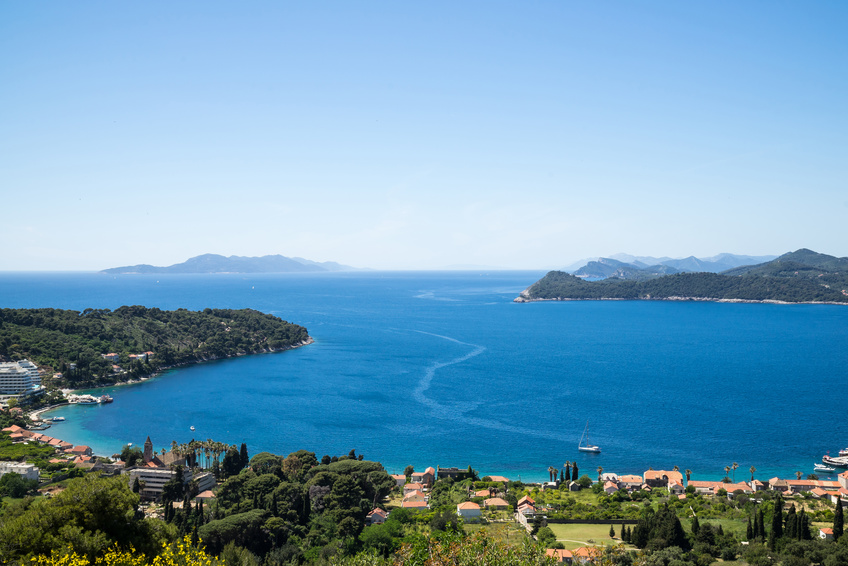
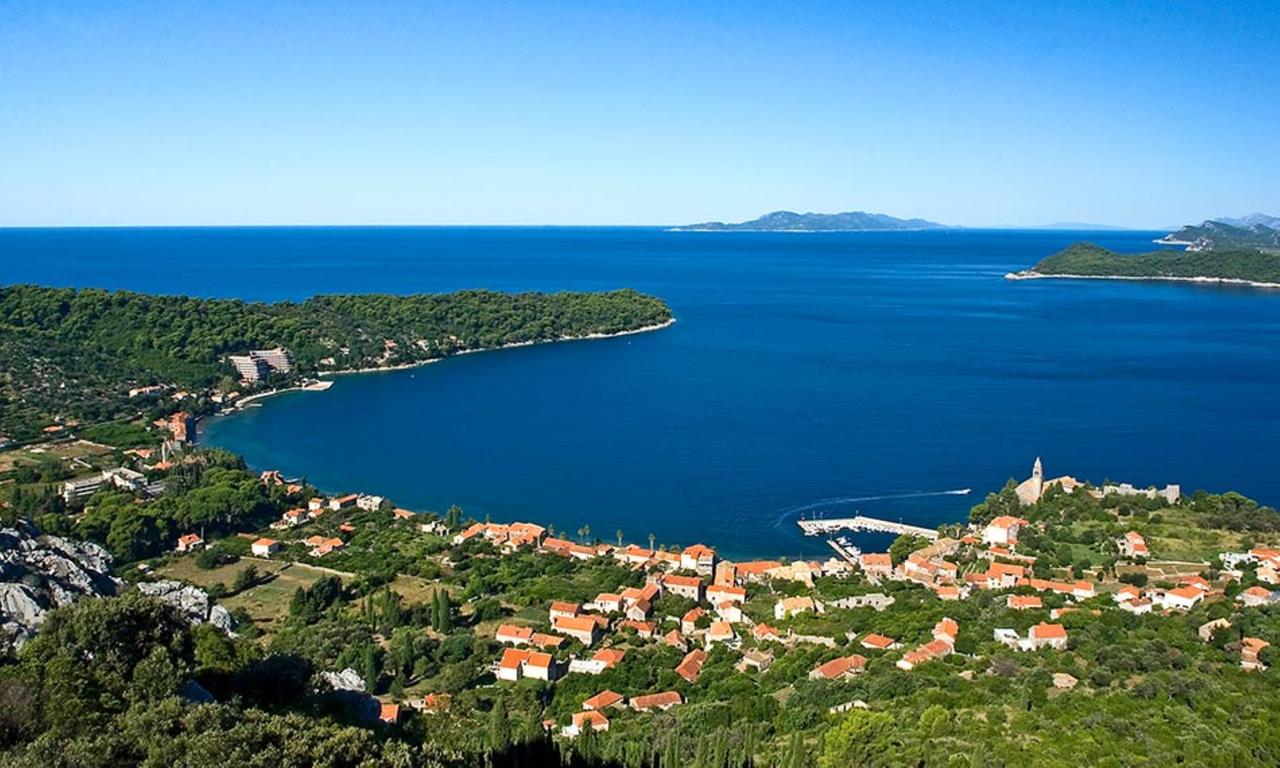
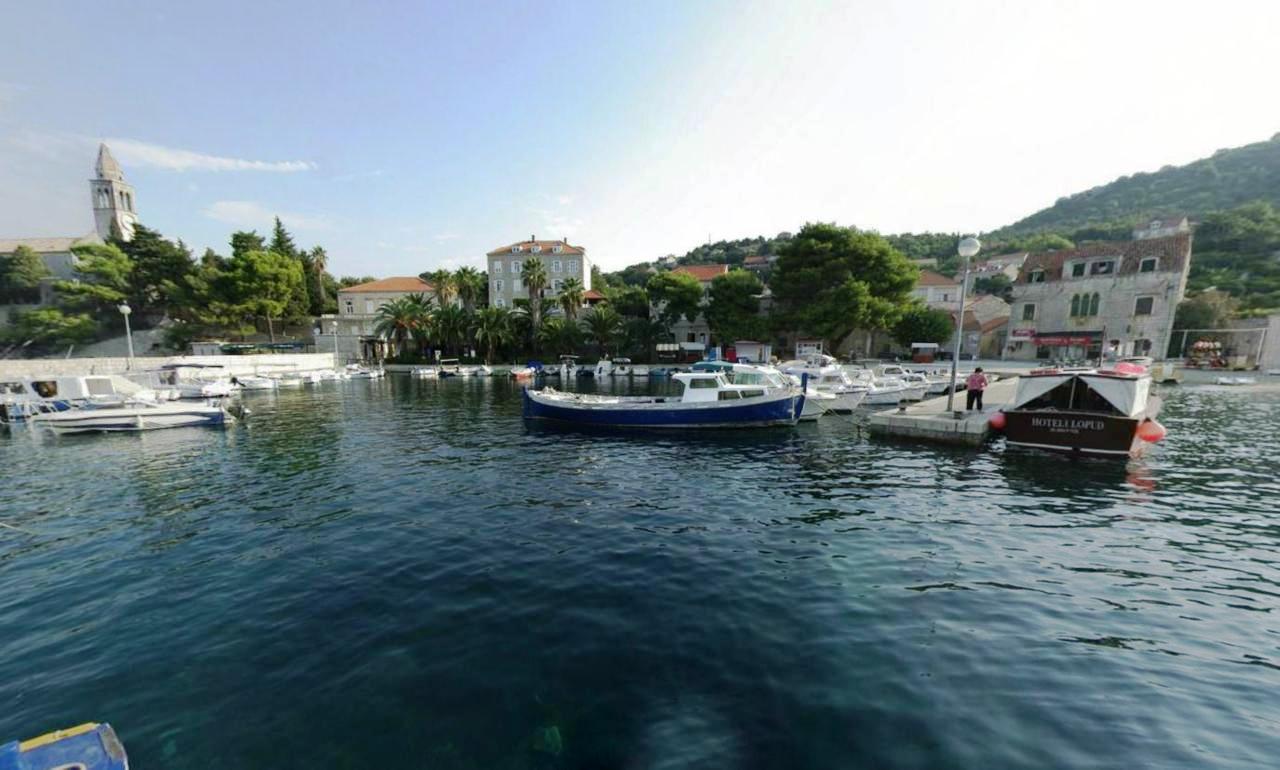
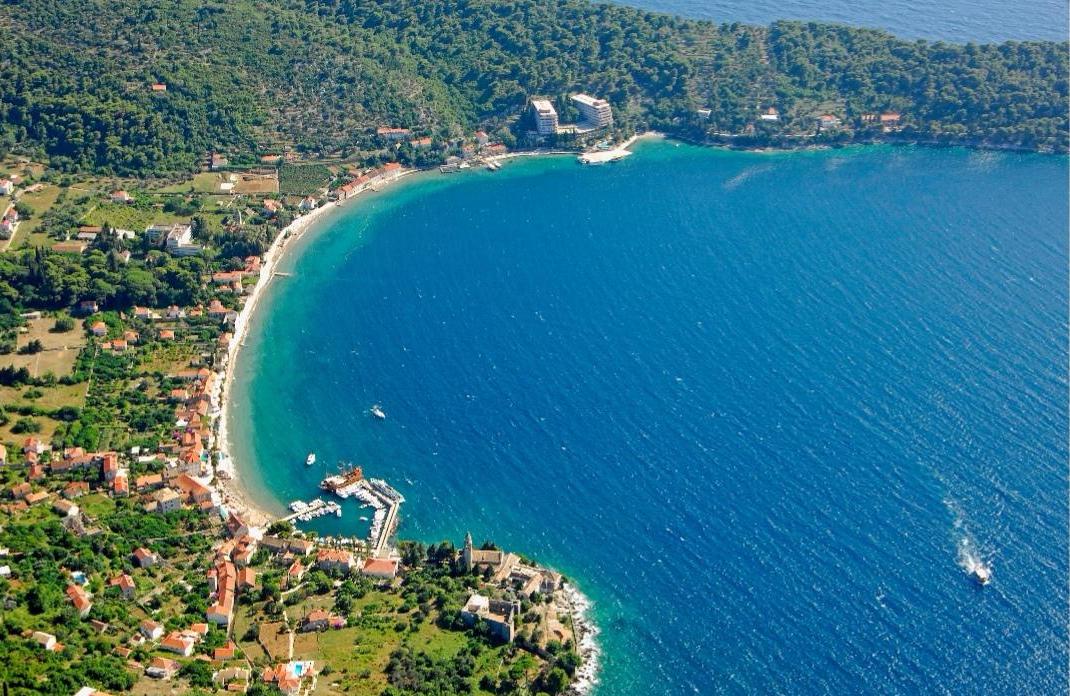
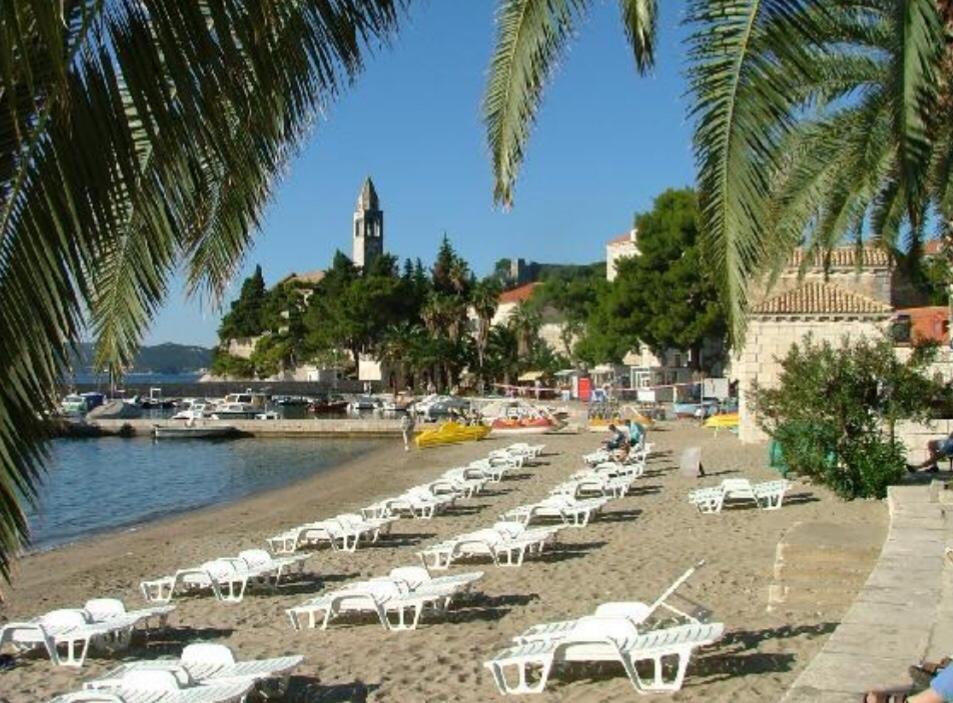
Lopud’s beauty is striking: a graceful circular bay, clear shallows and an unusually long stretch of sandy shoreline. The island has over a kilometre of sandy beaches, including the celebrated Šunj Bay, one of the Adriatic’s best‑known sandy beaches. Lopud takes its name from the Greek Delaphodia, while the Romans referred to it as Lafota. Today the island has just one village — also called Lopud — set around a sheltered bay looking across towards Suđurađ on neighbouring Šipan.
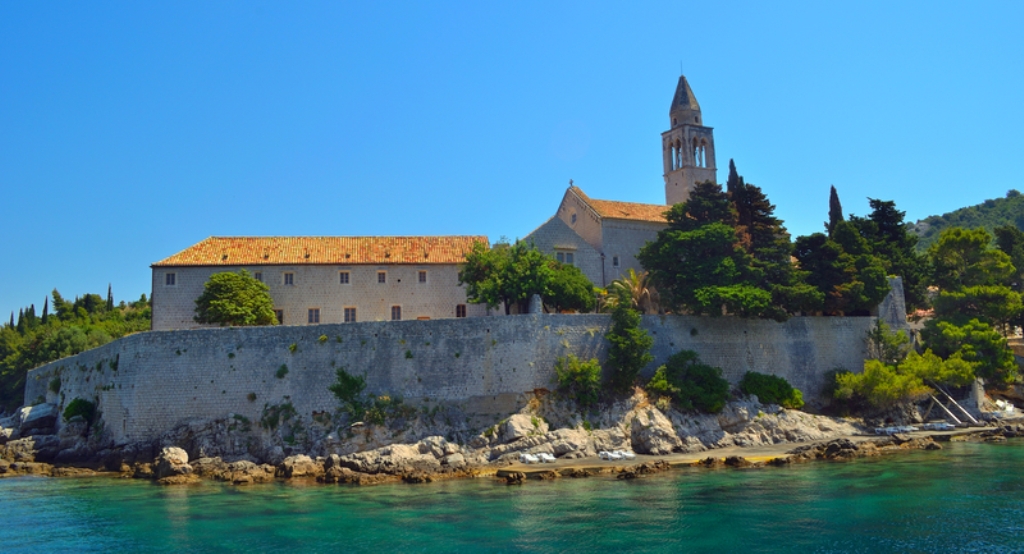
Located in the Elaphiti Islands, Lopud is easily reached by a short ferry crossing from Dubrovnik’s Gruž Harbour, with frequent sailings throughout the summer making it ideal for a day trip or a peaceful escape from the city. Despite its small size, the island was once prosperous; its 15th‑century Franciscan monastery and nearby fortified church date from a period when Lopud’s merchant fleet brought considerable wealth. The 15th and 16th centuries are considered the island’s “Golden Age”, supported by shipbuilding and trade, including long‑distance routes.
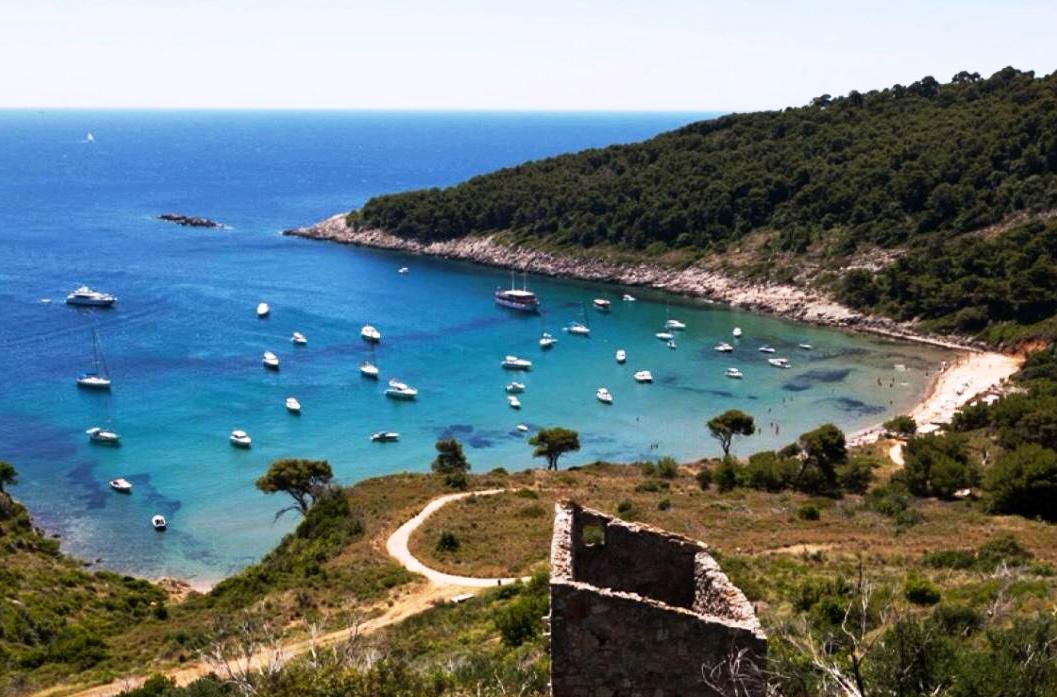
Šunj, the island’s best‑known beach, lies on the far side of Lopud and is reached by a short walk through lush Mediterranean vegetation scented with aromatic herbs. The path is part of a network of walking tracks that also lead to viewpoints, small chapels and the remains of older fortifications. The island is car‑free, which adds to its relaxed character, but visitors can rent bikes to explore the interior or kayaks to spend time on the water.
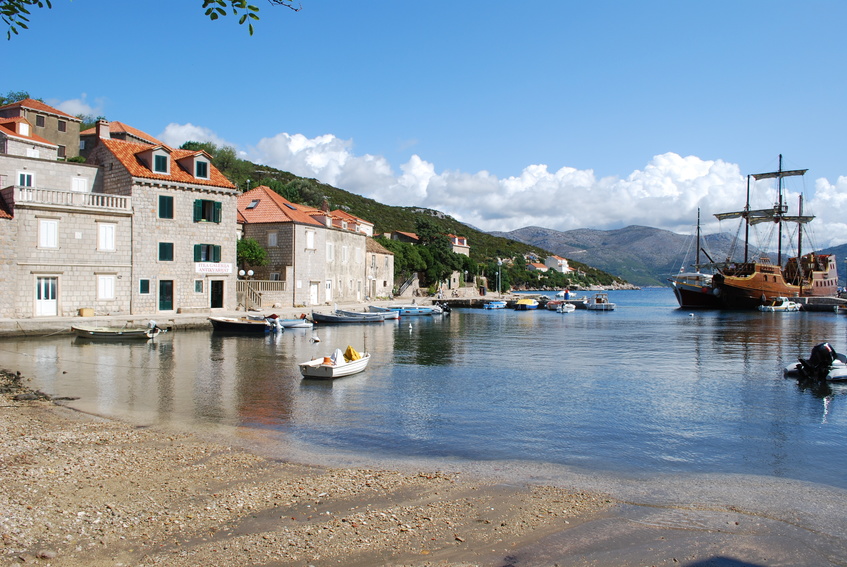
Lopud offers a restful pace: a small harbour lined with cafés, a handful of churches and traditional buildings, and shaded paths through pine and cypress. For travellers seeking sandy beaches, gentle walking and easy access to Dubrovnik, it is one of the most appealing spots in the southern Adriatic.
The Elaphite Islands
The Elaphite Islands lie northwest of Dubrovnik and form a small archipelago known for their quiet charm, sheltered bays and lush Mediterranean vegetation. Their name comes from the Greek elaphos, meaning “deer”, reflecting the belief that the islands were once home to a significant deer population. According to classical references, the islands were already known in antiquity and are thought to have been mentioned by Pliny the Elder in the 1st century AD in his Naturalis Historia.
Their position directly offshore from Dubrovnik made them strategically valuable. Over the centuries they were influenced or controlled by various powers, including the Greeks and Romans, and later formed part of the Republic of Ragusa. By the Middle Ages they were integrated fully into the Republic of Dubrovnik, and their coastal defences were strengthened in the 16th century in response to Ottoman raids.
The archipelago consists of six main islands, not counting the many smaller islets, though the three principal destinations for visitors are Lopud, Šipan and Koločep. Lopud and Koločep are entirely car‑free, contributing to their peaceful character, and their populations remain very small — Lopud’s is just over 200 residents according to recent counts.
Šipan, the largest of the inhabited islands, has two main settlements — Suđurađ in the southeast and Šipanska Luka in the west — each set around a sheltered bay. Although not car‑free, Šipan remains a quiet island with limited traffic. It is known for its historical churches, including St Peter’s Church from the 11th century and the Church of the Holy Spirit built in 1569, as well as the summer residences of Dubrovnik’s nobility, many of which still stand in varying degrees of preservation.
What all of the Elaphite Islands share is a sense of exceptional natural beauty. Travellers can expect tranquillity, gentle landscapes, and long, unhurried days filled with swimming, walking and enjoying simple local food and wine. Lopud is often considered the most picturesque of the group thanks to its rich monastic heritage, historic buildings and its celebrated sandy beaches, including Šunj Bay, which lies on the island’s southern side.
This region enjoys a notably sunny climate. Lopud records around 2,584 hours of sunshine annually — roughly 215 sunny days a year — making it one of the brightest places on the Adriatic. The warmth and light support a thriving belt of Mediterranean vegetation: Aleppo pine, dense maquis, palms and olive trees all grow abundantly, adding to the islands’ serene, green character.
Peaceful, unspoiled and easy to reach from Dubrovnik, the Elaphite Islands offer a timeless island atmosphere — the kind of place where a simple walk, a quiet beach or a sunset over the sea feels like the essence of the journey.
We look forward to being of service.
Hotels to visit
Where to stay
.jpg)
Flexible Tailor-Made Holidays
- We believe passionately that no two holidays should be the same.
- With our flexible tailor-made holiday options you can travel at your own pace.
- Rediscover a city, a resort or an island in a weekend or longer.
- Take a small group tour or embark upon a more adventurous trip.
Trusted Service
- ATOL cover for flight inclusive holidays.
- One of us at Rediscover the World is very likely to have visited the hotels and travelled along the routes on your itinerary.
- Dynamic, comprehensive travel app with all your documents, maps and much more.
- Full financial protection for your holiday (TTA).
Why book Croatia with us ?
- More than 30 years experience of the region
- Unrivalled expertise of local partner
- Fly-drive holidays in Croatia & neighbours
- Island Hopping / Activity holidays
- Food-themed breaks & Christmas Markets
- Honeymoons
- 24hr assistance in Croatia