Korcula Island
You are here: Home > Destinations > Croatia > Adriatic Islands > Korcula Island
About Korcula Island
Korčula Island
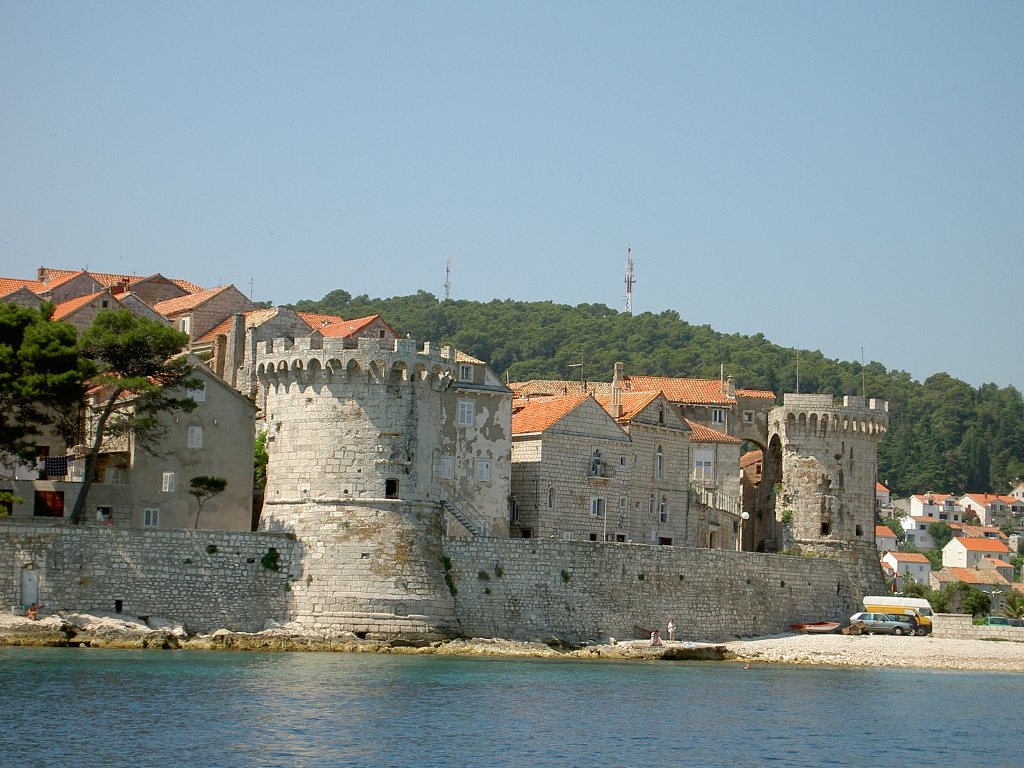
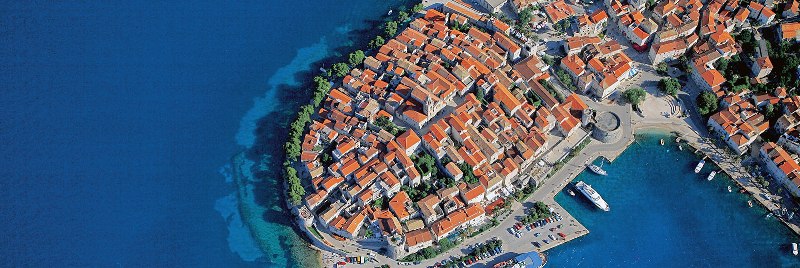
Local legend claims that Korčula (pronounced Kor‑choola) was founded by the Trojans in the 12th century BC, though it is more likely that the ancient Greeks established the first settlements, naming the island Korkyra Melaina — “Black Corfu” — in reference to its dense forests. The origins of today’s walled stone town date to the early 13th century and are recorded in the town statute of 1214, one of the oldest municipal statutes in Europe. More recently, Korčula has become associated with Marco Polo, with some traditions holding that he was born here.
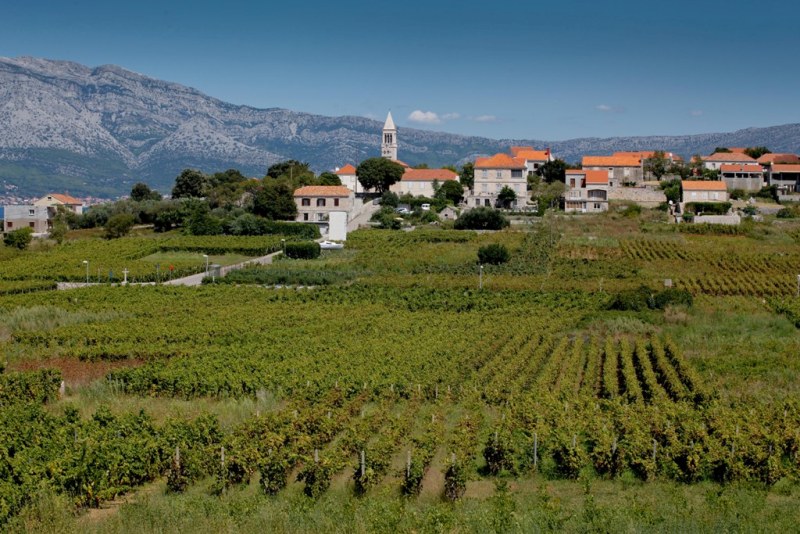
The island’s coastline is deeply indented, with numerous rocky inlets ideal for swimming and sunbathing, often in complete peace if solitude is what you seek. Viticulture has a long heritage on Korčula, and travellers are encouraged to try Grk, one of Croatia’s most distinctive and respected wines, grown primarily around Lumbarda.
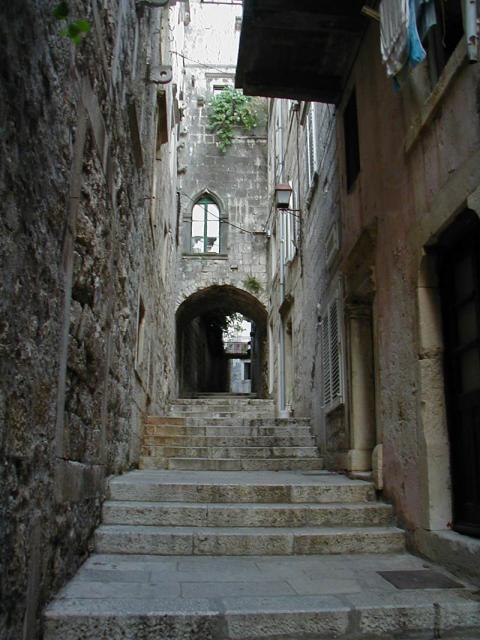
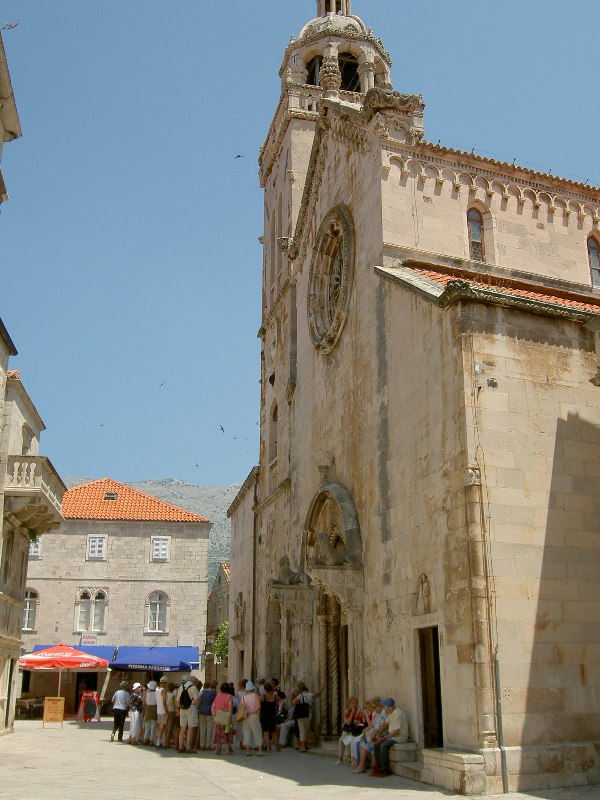
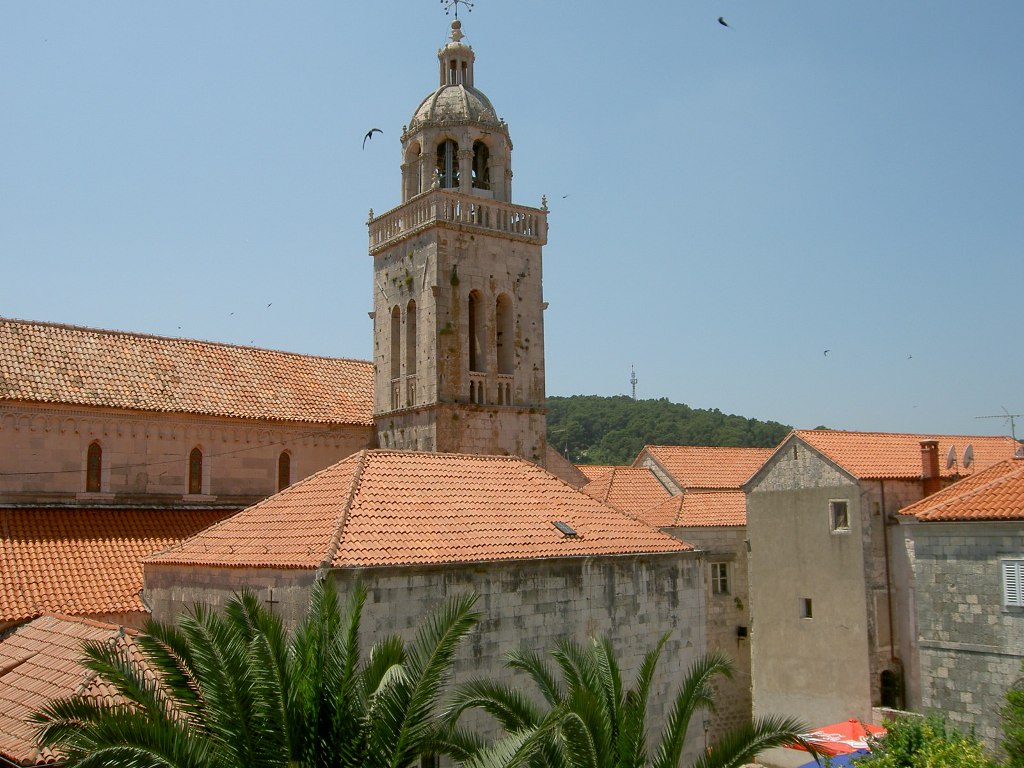
Korčula Town itself is immediately striking — a compact knot of narrow lanes designed in a clever herringbone pattern that channels cooling sea breezes through the old streets. Its cathedral, museum, town walls and the house reputed to be Marco Polo’s birthplace offer plenty to explore, making it a rewarding place to stay for more than just a fleeting visit.
Reaching the island is straightforward: from Dubrovnik, it is a scenic two‑hour drive along the Pelješac peninsula to the ferry at Orebić. Once on the island, the landscape remains largely unspoiled. Beyond Korčula Town, the island is dotted with welcoming villages, vineyards and quiet bays. A single main road runs the length of the island to Vela Luka on the western coast, a relaxed harbour town. From here, taxi boats make the short crossing to Proizd, a tiny offshore island known for its luminous waters and smooth, sun‑bleached rocks. The central part of the island is home to the wine‑growing region around Smokvica and Čara, where two of Dalmatia’s best‑known white wines — Pošip and Rukatac — are produced.
Lumbarda, to the east, offers sandy inlets unusual for Croatia and a frontier of vineyards that run almost to the sea. Inland, small hamlets and rural lanes give a sense of the island’s older rhythms, while dense forests provide a habitat for wildlife and a cool retreat in the hotter months.
Korčula offers a graceful blend of history, nature and understated charm, with enough variety to appeal to travellers who enjoy both cultural discovery and peaceful coastal scenery.
We look forward to being of service.
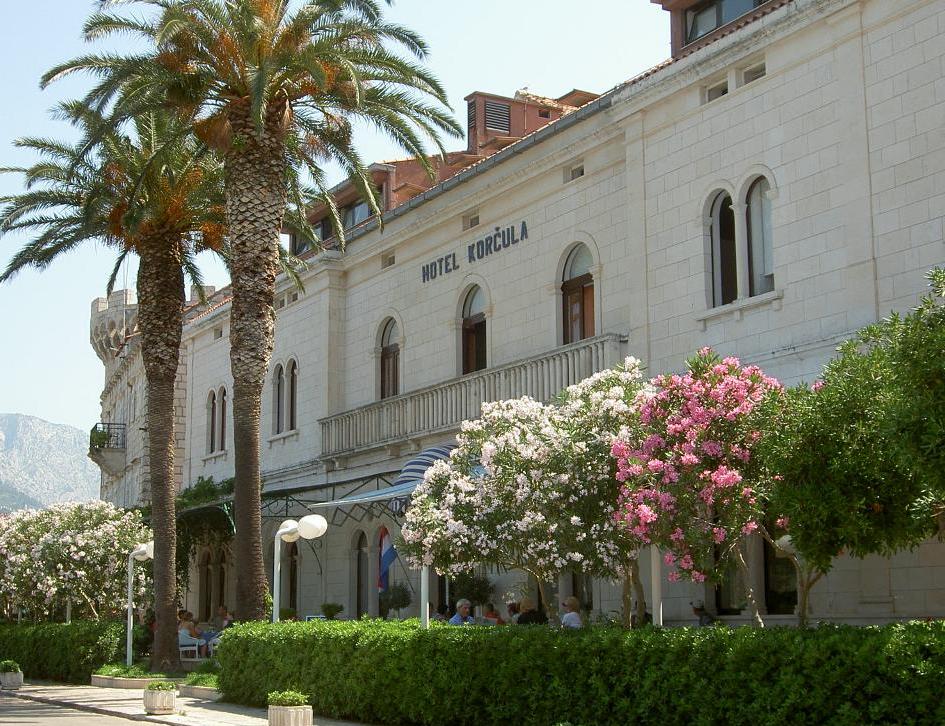
Hotels to visit
Where to stay
.jpg)
.jpg)
.jpg)
.jpg)
.jpg)
Flexible Tailor-Made Holidays
- We believe passionately that no two holidays should be the same.
- With our flexible tailor-made holiday options you can travel at your own pace.
- Rediscover a city, a resort or an island in a weekend or longer.
- Take a small group tour or embark upon a more adventurous trip.
Trusted Service
- ATOL cover for flight inclusive holidays.
- One of us at Rediscover the World is very likely to have visited the hotels and travelled along the routes on your itinerary.
- Dynamic, comprehensive travel app with all your documents, maps and much more.
- Full financial protection for your holiday (TTA).
Why book Croatia with us ?
- More than 30 years experience of the region
- Unrivalled expertise of local partner
- Fly-drive holidays in Croatia & neighbours
- Island Hopping / Activity holidays
- Food-themed breaks & Christmas Markets
- Honeymoons
- 24hr assistance in Croatia
Reviews