Dubrovnik & Region
You are here: Home > Destinations > Croatia > Dubrovnik & Region
About Dubrovnik & Region
Dubrovnik
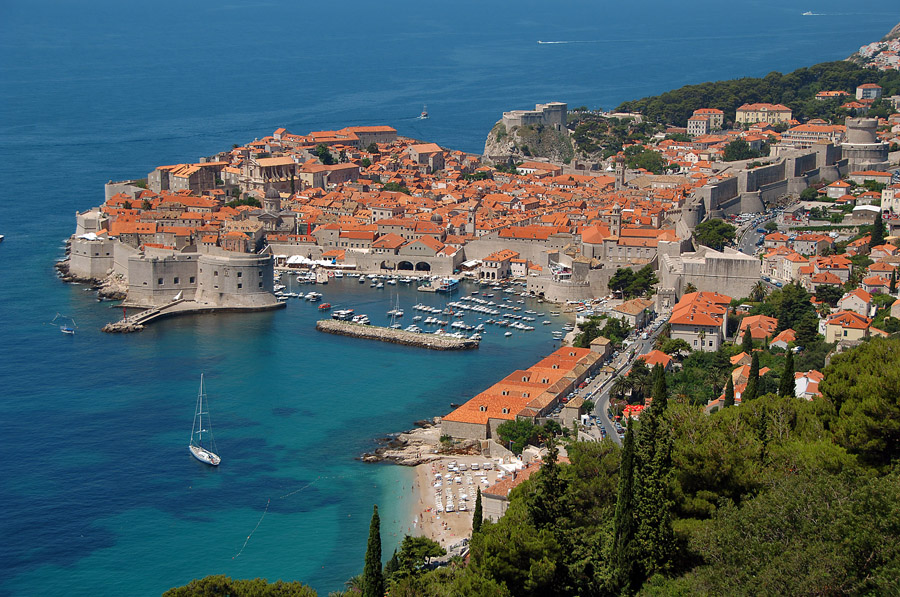
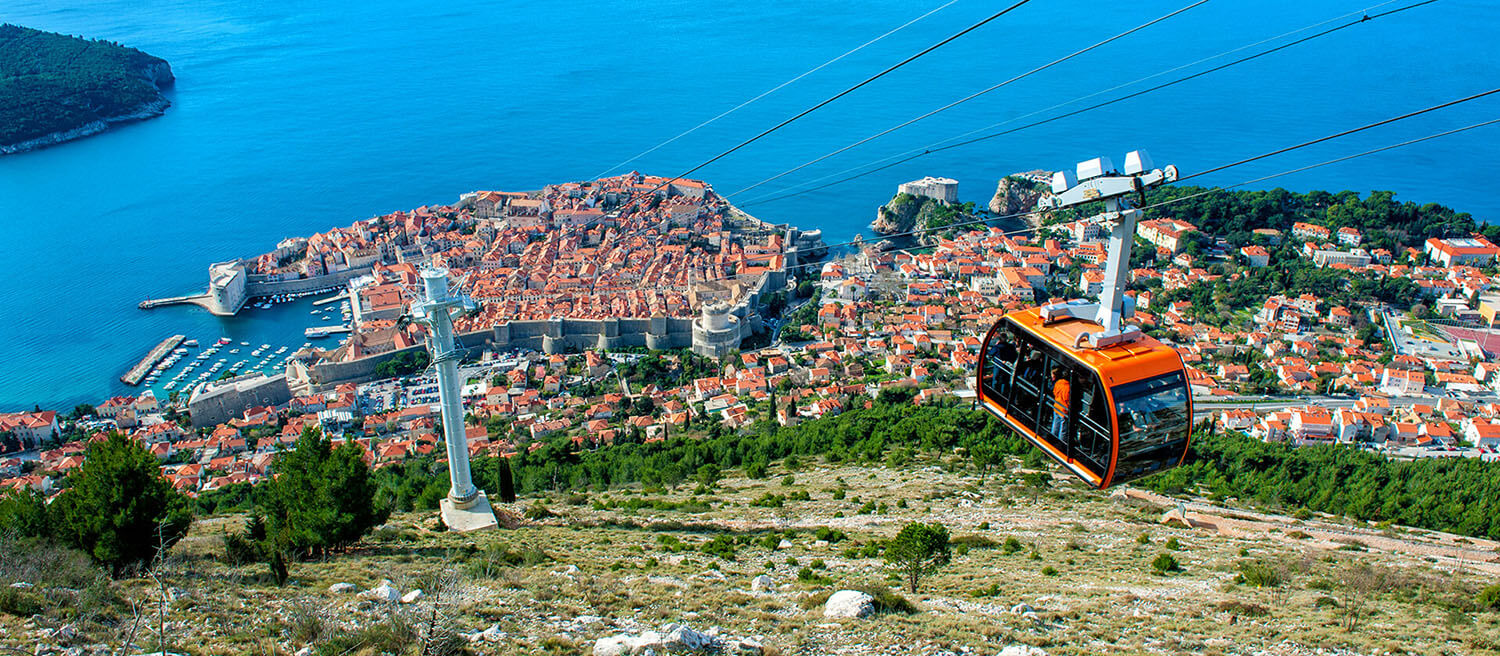
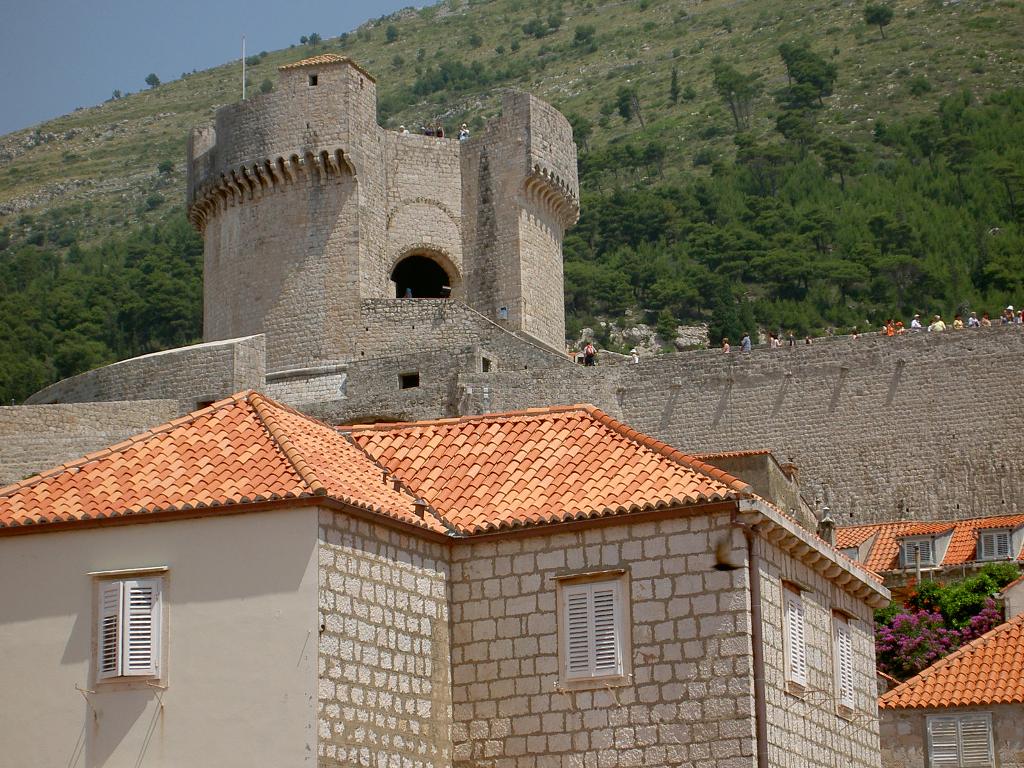
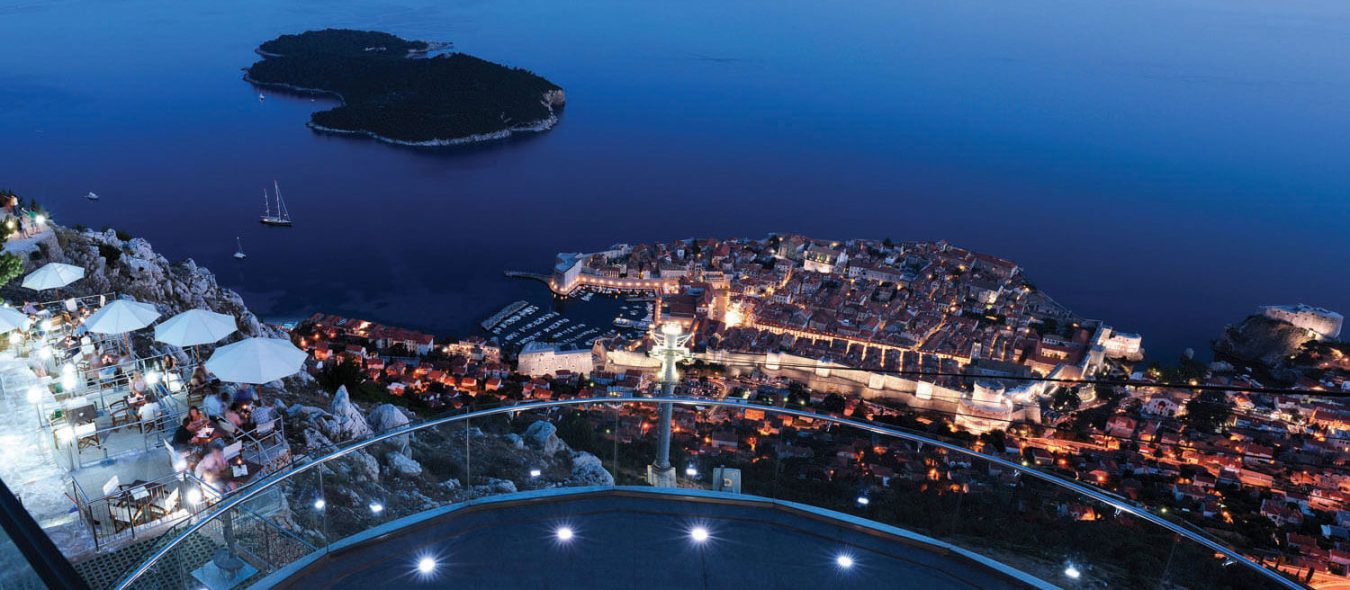
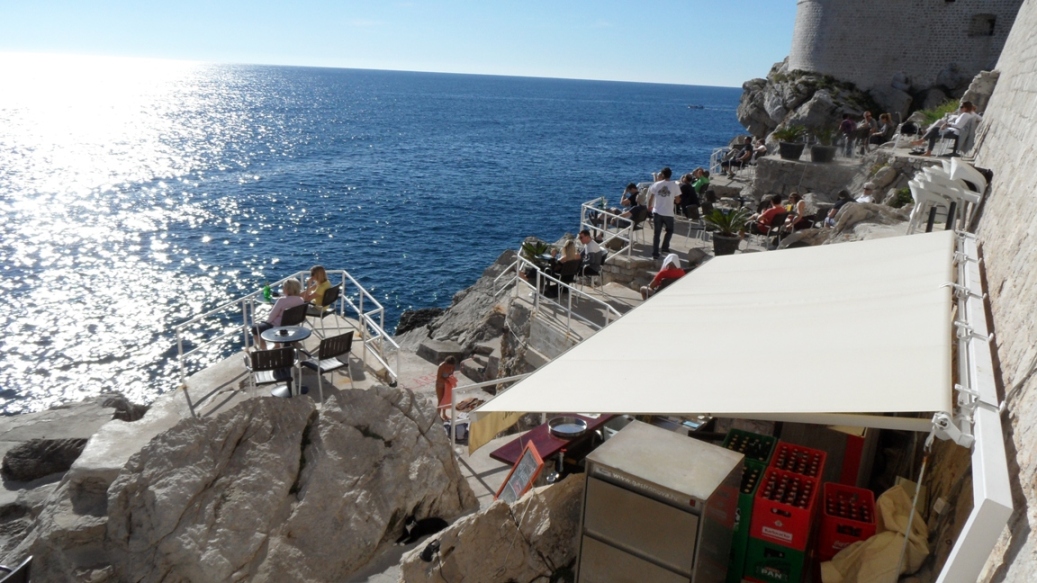
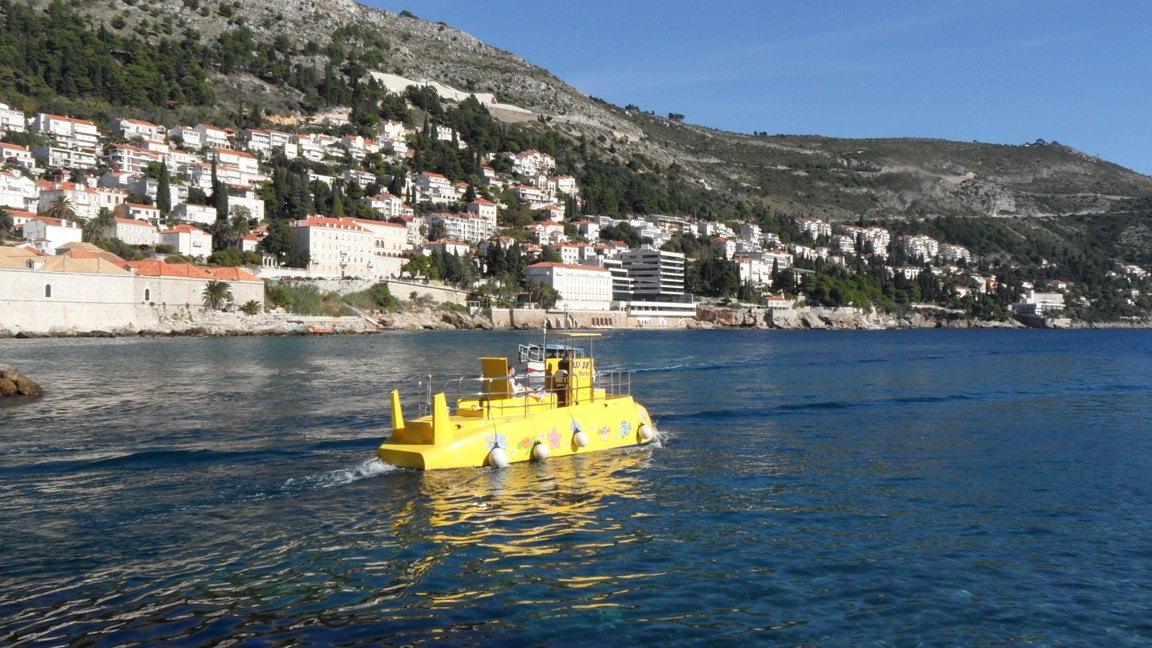
Dubrovnik remains the brightest jewel of southern Dalmatia — a beautifully preserved walled city looking out across the Adriatic. Despite the damage it suffered in the early 1990s, the old town has been sensitively restored and today feels as atmospheric as ever. One of the great pleasures of a visit is walking the city walls, looking down over terracotta roofs, narrow lanes and quiet cloisters, with the sea glittering below. For a different perspective, the cable car to Mount Srđ offers sweeping views of the old town and the Elaphiti Islands.
Dubrovnik is an excellent choice for first‑time visitors to Croatia as well as those returning after many years. With plentiful direct flights, it works wonderfully as a short break, a base for island‑hopping, or the start or end point of a fly‑drive. A growing number of boutique hotels and thoughtfully renovated townhouses also make it appealing year‑round.
Cavtat
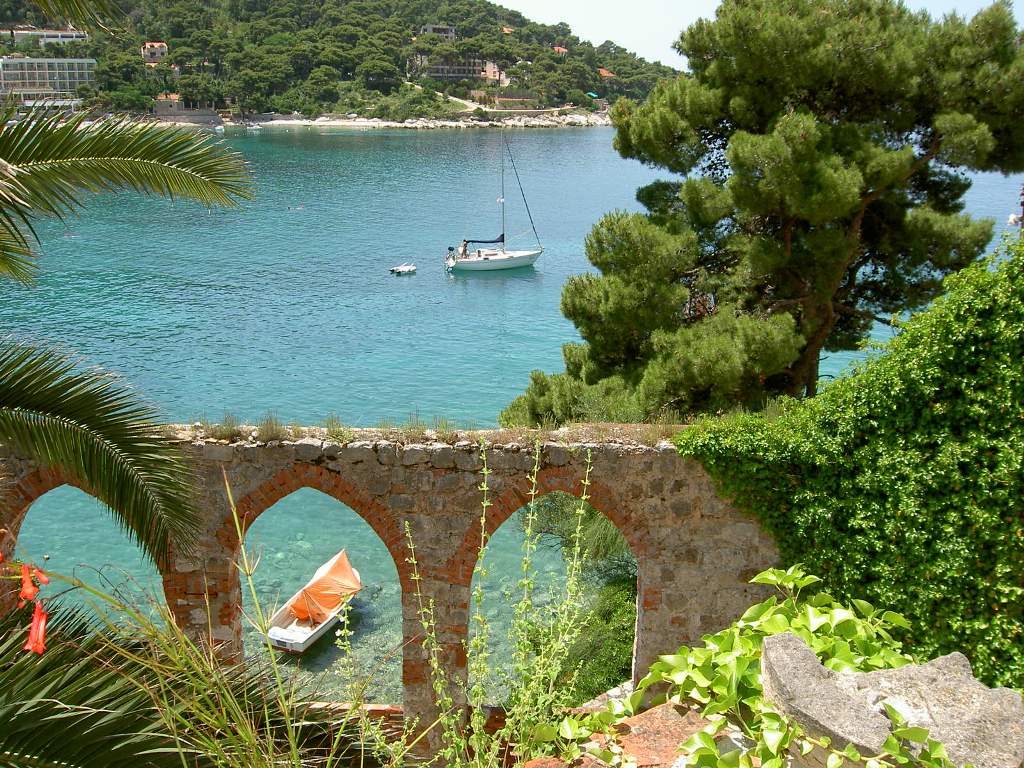
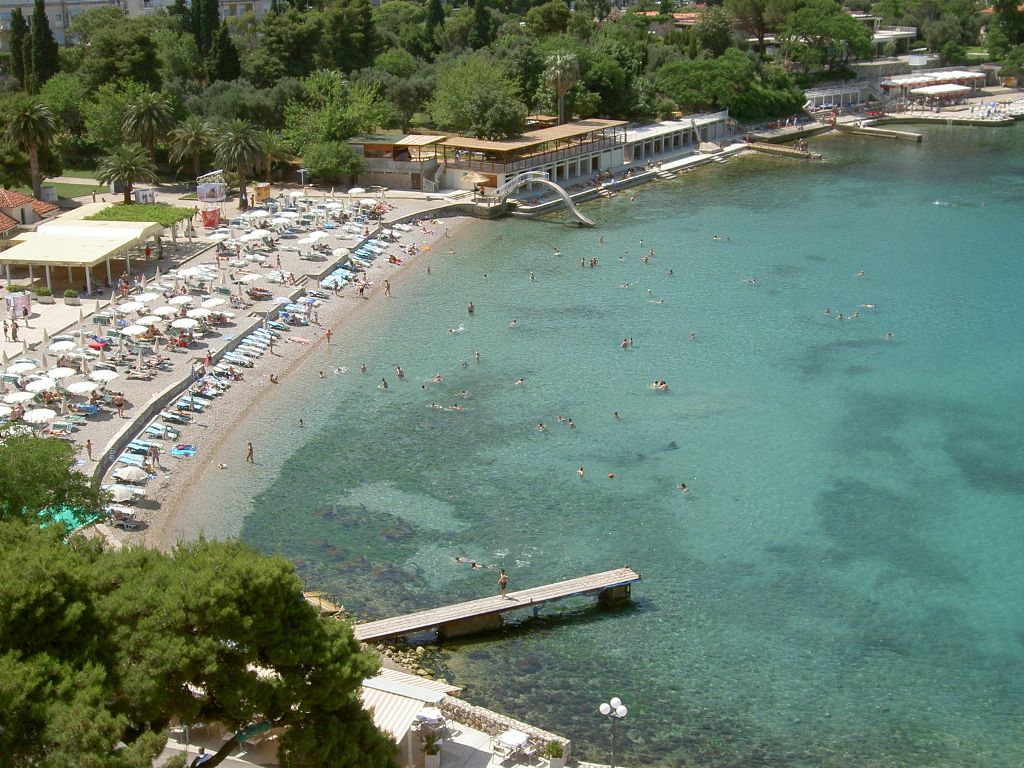
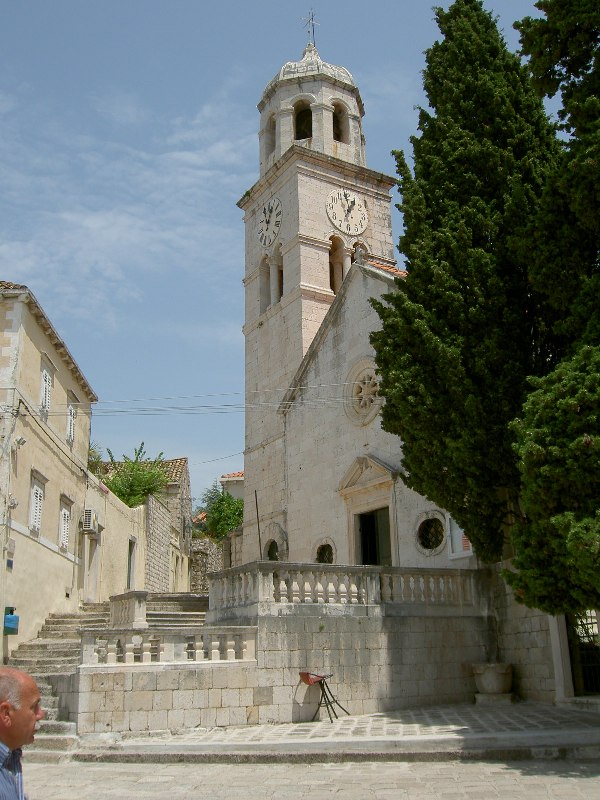
South of Dubrovnik lies Cavtat, a peaceful, attractive resort built around two sheltered bays on a wooded peninsula. Once the ancient Greek settlement of Epidaurum, Cavtat later provided refuge for families fleeing inland attacks — many of whom founded what became Dubrovnik. Today its compact old town, waterfront promenade and small beaches create a relaxed, intimate atmosphere.
Cavtat suits couples and families who prefer a quieter base than Dubrovnik but still want easy access to it by boat or bus. The resort has everything required for an unhurried stay: a handful of boutique hotels, good restaurants and cafés, a pleasant harbourfront for evening strolls, and practical amenities such as shops, ATMs, a small market and regular connections to Dubrovnik.
Ston
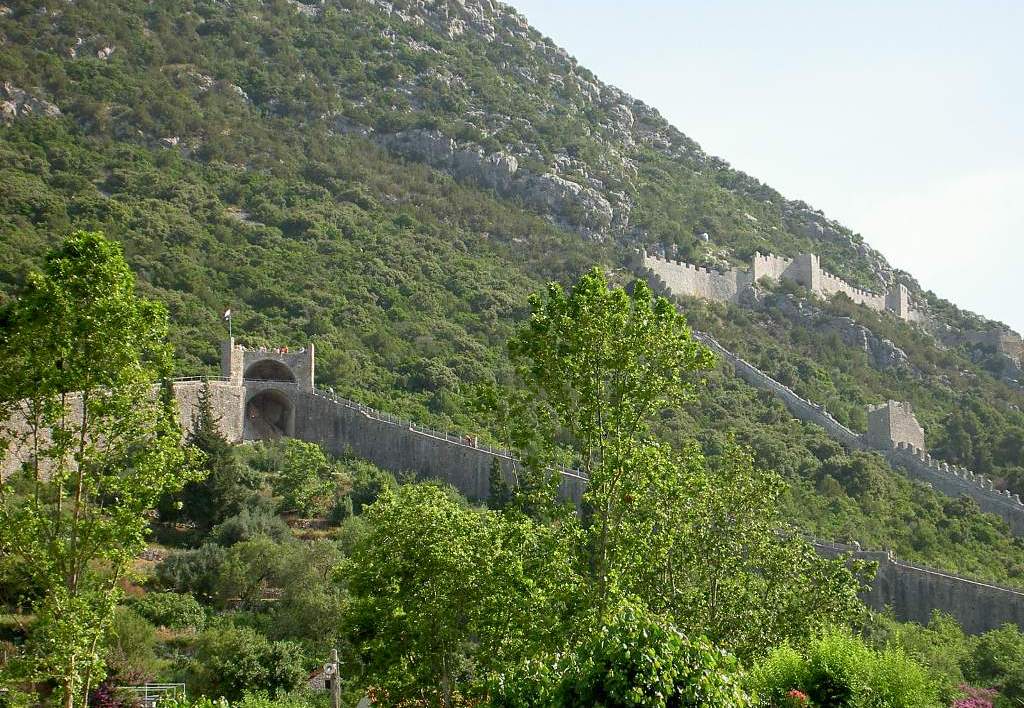
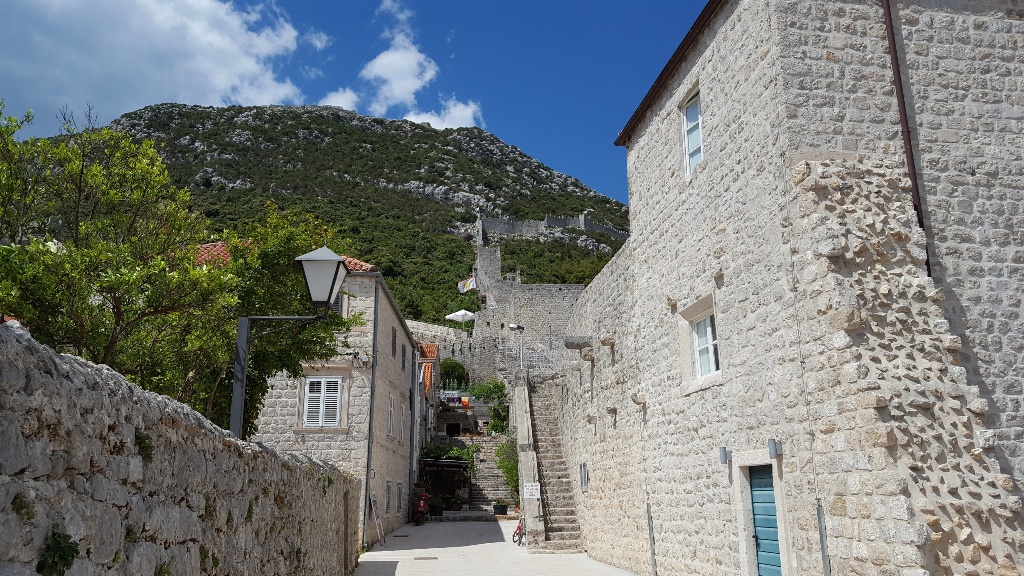
North of Dubrovnik, Mali Ston is a small, scenic settlement at the entrance to the Pelješac Peninsula, known for its dramatic hillside fortifications and excellent seafood. It makes a very good overnight stop on a fly‑drive route, particularly if you stay at the long‑established Hotel Ostrea, renowned for its food. The area is also well placed for day trips to Korčula, Mljet and even Mostar.
More About Dubrovnik
In the Middle Ages, Dubrovnik was a powerful maritime republic that rivalled Venice in trade, diplomacy and influence. Its fortunes changed dramatically in 1667, when a devastating earthquake destroyed much of the city and ended its commercial zenith. Later it passed through the hands of Napoleon and the Austrian Empire, and eventually became part of Yugoslavia — a chapter that ended abruptly in 1991, when Dubrovnik was shelled during the Croatian War of Independence. The city has since been meticulously restored and today stands as one of the Mediterranean’s most impressive walled cities.
Back within the old town, Stradun forms the central spine of Dubrovnik — a broad, polished limestone street that shimmers in the sunlight. During the day it fills with visitors, shopkeepers and café terraces; in the evening it becomes the setting for the traditional korzo — a relaxed promenade where locals and visitors stroll, meet friends and enjoy the evening air. Summer brings outdoor performances and music, adding to the sense of theatre that seems to permeate the old town.
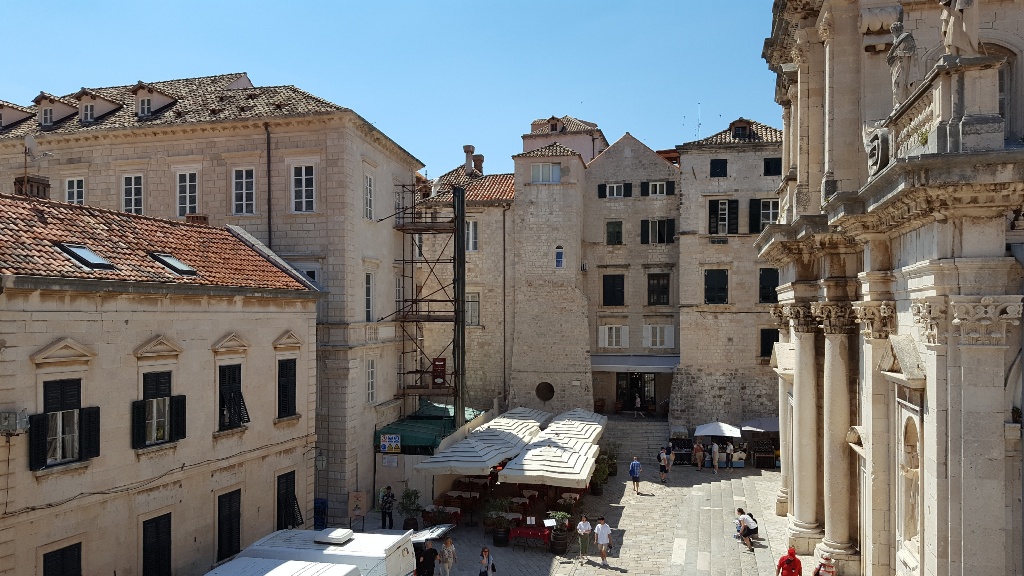
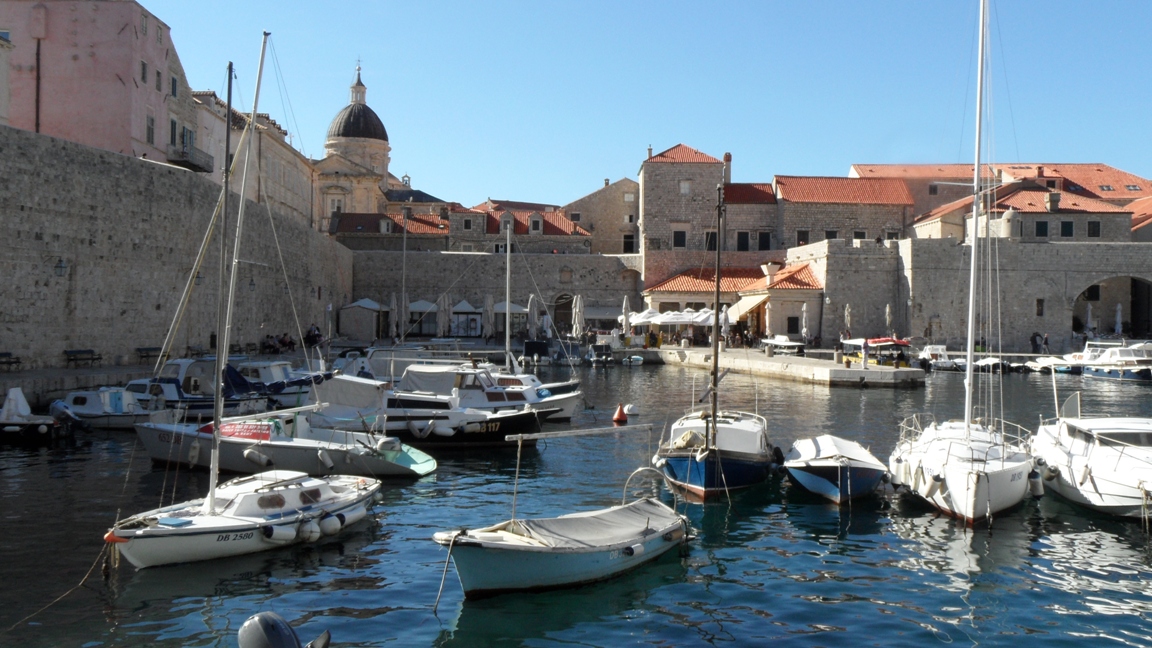
Dubrovnik’s medieval layout has changed remarkably little since the 13th century. Its encircling ramparts, entered by way of stone bridges beneath the statues of St Blaise, lead into a car‑free world of steep stairways, narrow alleys and handsome squares. From Stradun, lanes climb towards the walls or wander south towards the old port. Along the way are open‑air markets, small workshops, studios, Baroque churches, Renaissance palaces and shaded courtyards where fountains splash and columns catch the afternoon light. In summer, the Dubrovnik Summer Festival fills the streets, terraces and fortresses with music, dance and theatre; in spring and autumn, the laughter of schoolchildren echoes along the stone passageways.
Beyond the old town, the region offers a generous choice of activities. Visitors can explore the coast by kayak, take to the water for snorkelling or paddle boarding, or enjoy cycling, horse‑riding, wine tasting and guided hikes in the countryside. The combination of history, culture and natural beauty makes the Dubrovnik area one of the Adriatic’s most rewarding places to explore.
We look forward to being of service.
Hotels to visit
Where to stay
Flexible Tailor-Made Holidays
- We believe passionately that no two holidays should be the same.
- With our flexible tailor-made holiday options you can travel at your own pace.
- Rediscover a city, a resort or an island in a weekend or longer.
- Take a small group tour or embark upon a more adventurous trip.
Trusted Service
- ATOL cover for flight inclusive holidays.
- One of us at Rediscover the World is very likely to have visited the hotels and travelled along the routes on your itinerary.
- Dynamic, comprehensive travel app with all your documents, maps and much more.
- Full financial protection for your holiday (TTA).
Why book Croatia with us ?
- More than 30 years experience of the region
- Unrivalled expertise of local partner
- Fly-drive holidays in Croatia & neighbours
- Island Hopping / Activity holidays
- Food-themed breaks & Christmas Markets
- Honeymoons
- 24hr assistance in Croatia
Reviews