Cres & Lošinj Islands
You are here: Home > Destinations > Croatia > Adriatic Islands > Cres & Lošinj Islands
About Cres & Lošinj Islands
Cres Island
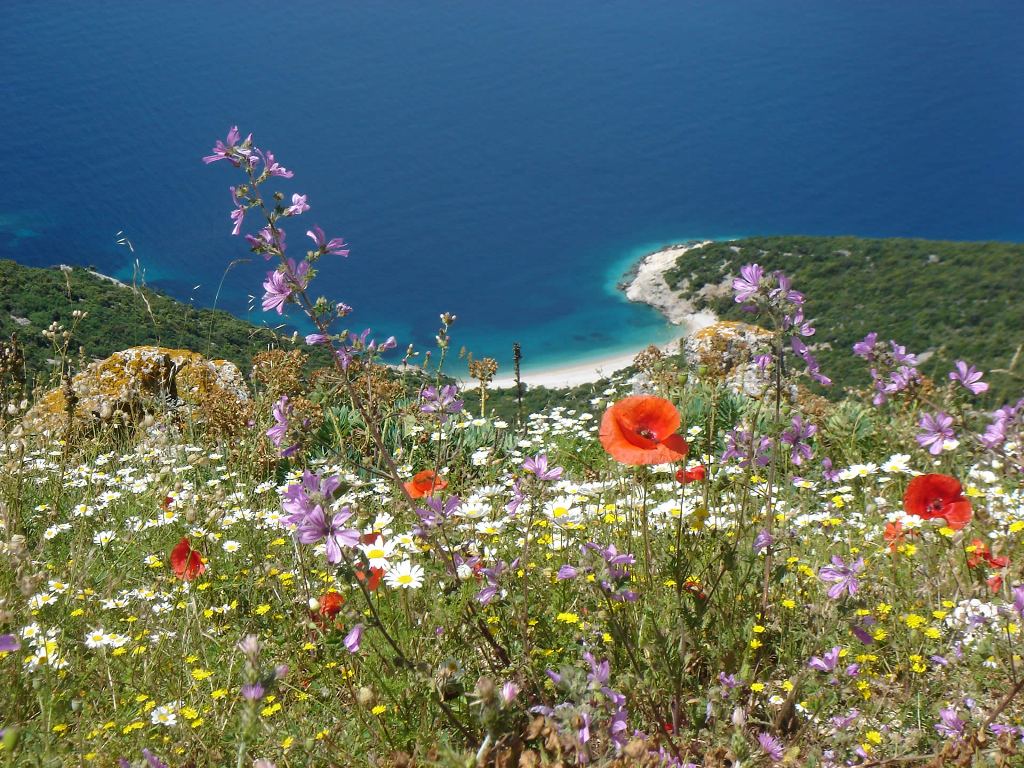
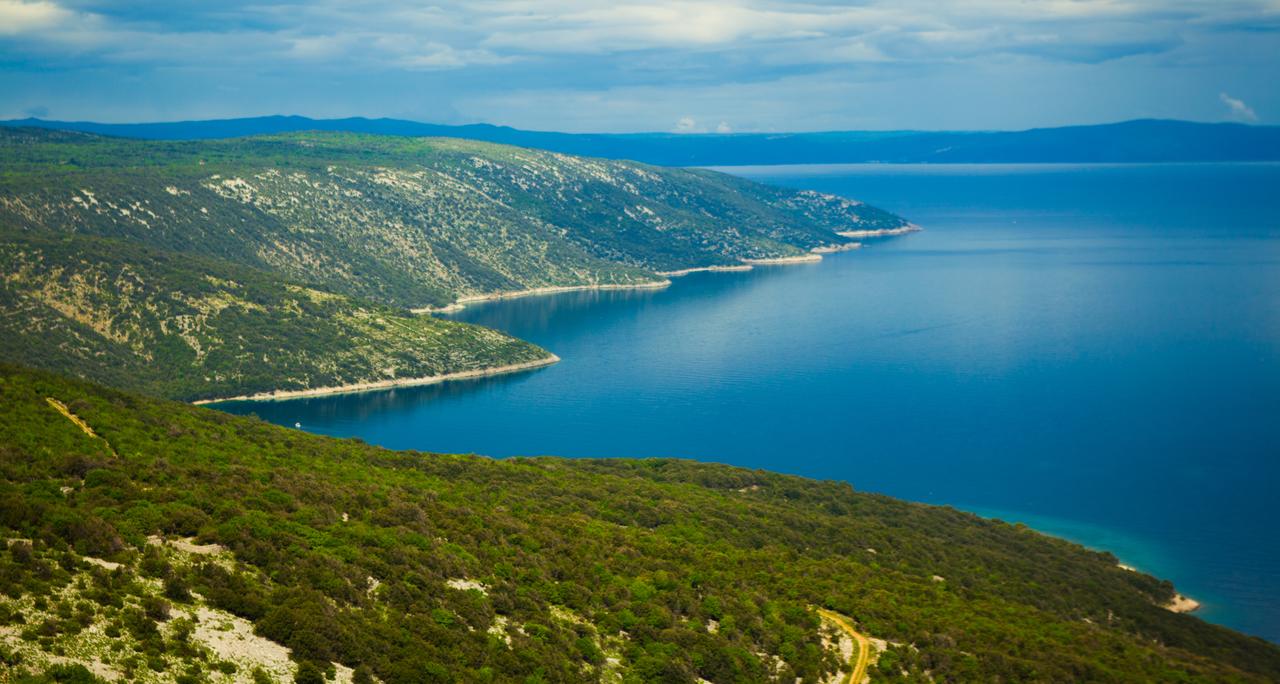
Cres is an island of striking contrasts, where the rugged, herb‑scented landscapes of the north give way to the greener, more Mediterranean scenery of the south. Its diverse habitats support an impressive range of plant and animal life, including many endemic species. Near the village of Beli, in the far north, you may spot one of Europe’s rarest protected birds — the griffon vulture — which still nests on the island’s cliffs.
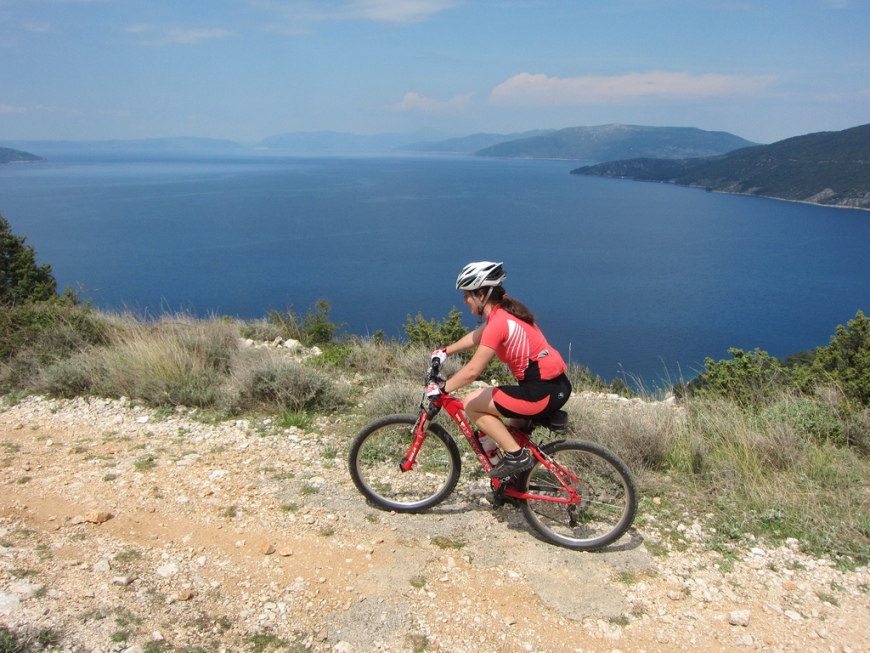
One of Cres’s most remarkable natural features is Lake Vrana, a freshwater lake whose surface sits above sea level while its depths drop far below it. The island is well suited to gentle exploration, with a network of walking paths, cycling routes and quiet country roads that reveal the island’s quieter corners.
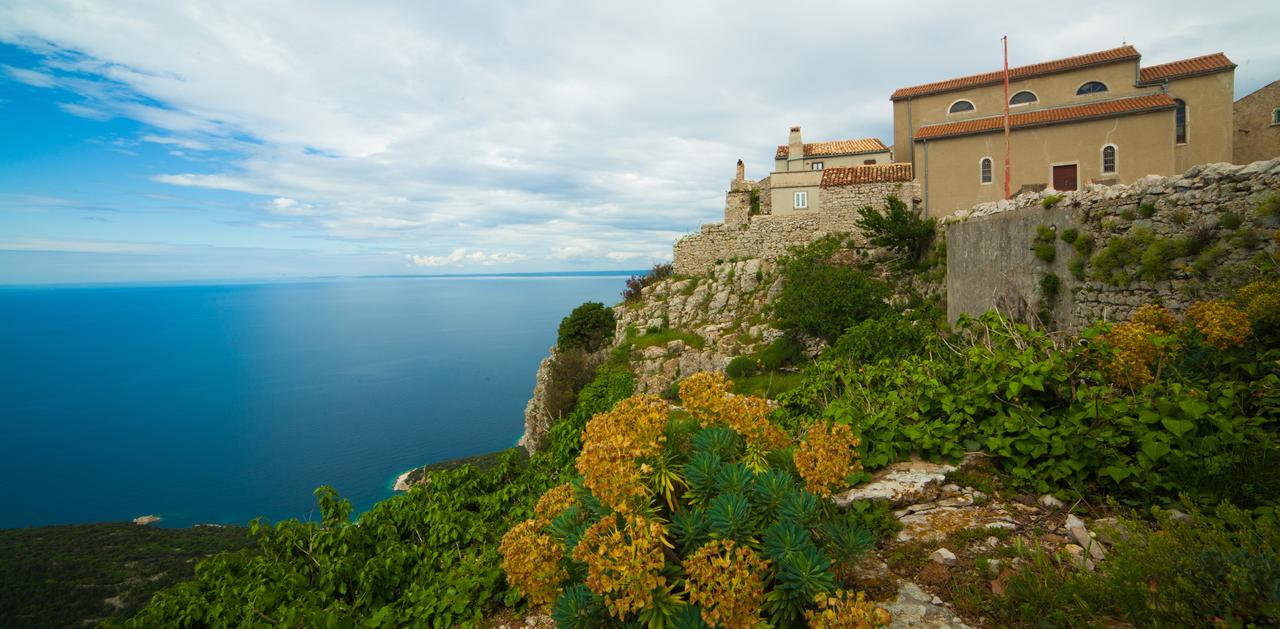
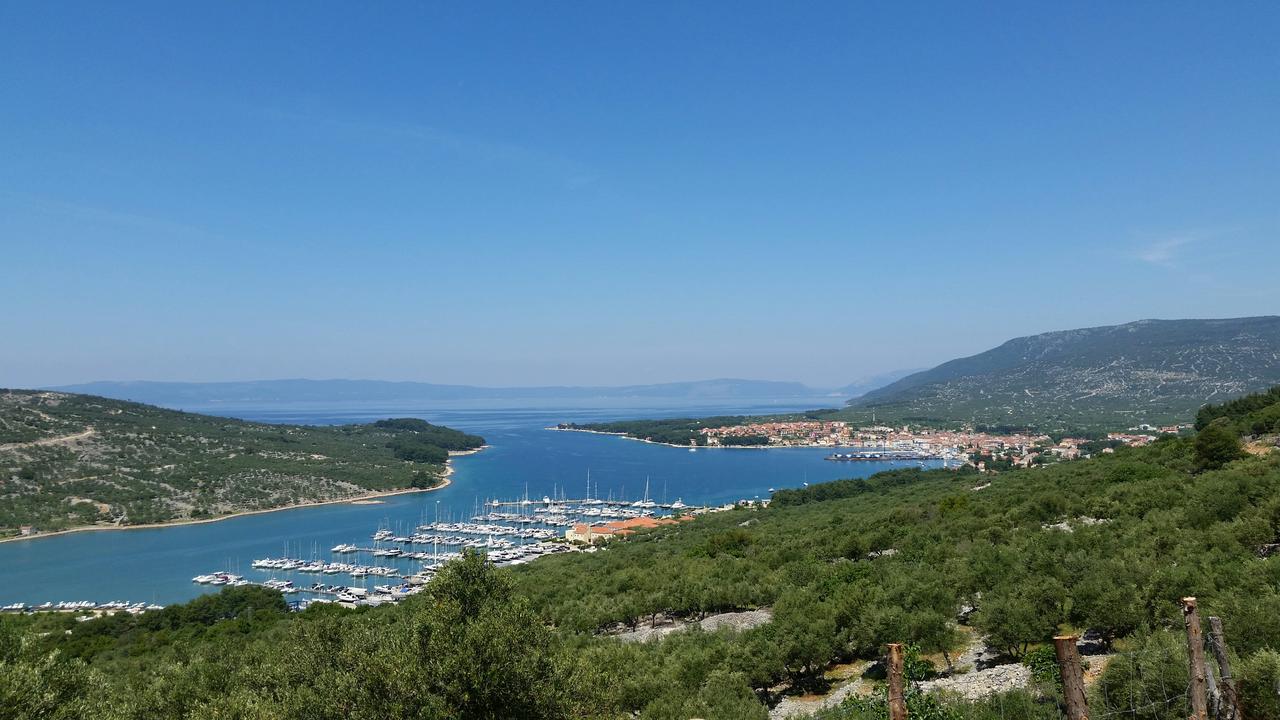
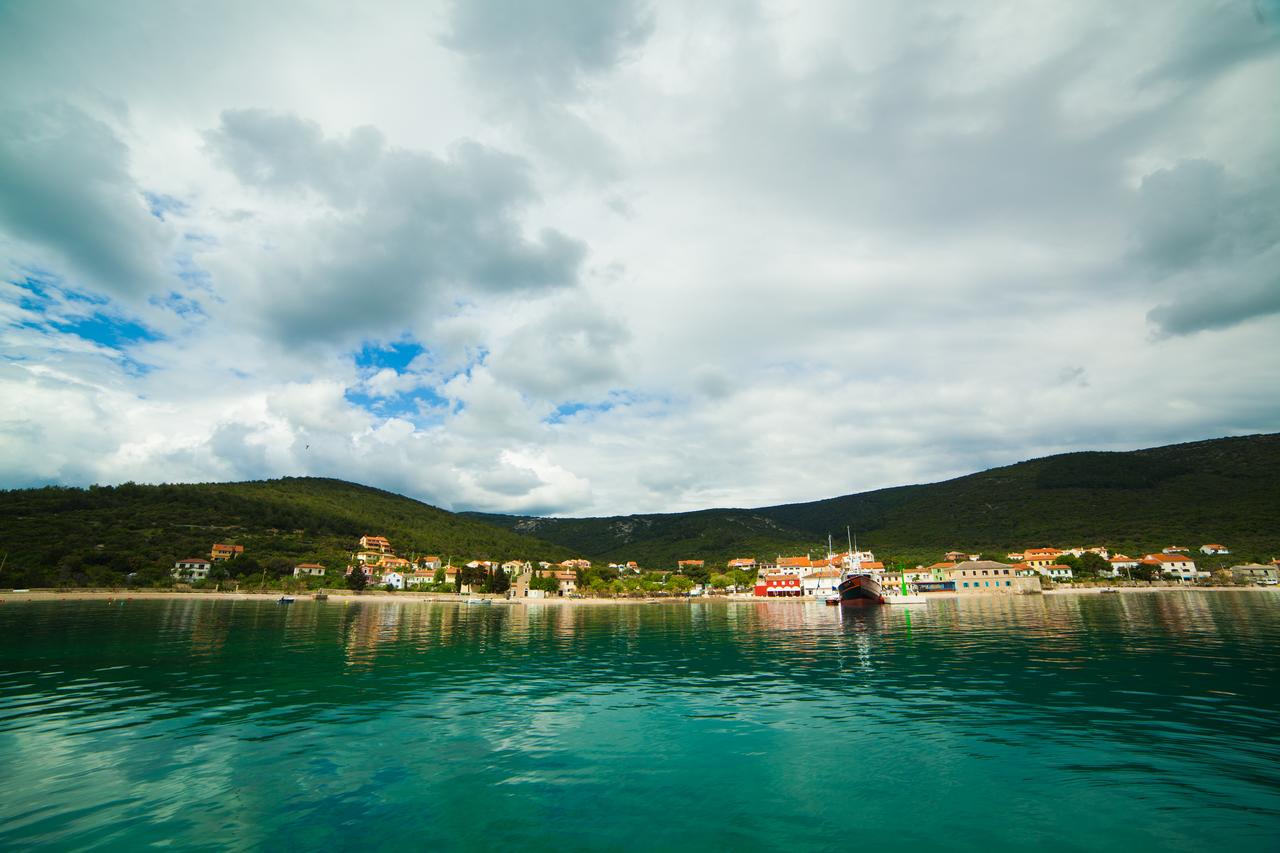
Cres also has a long and layered history. Reminders of ancient Liburnian settlements sit alongside early Christian churches and monastic buildings. In Martinščica, St Martin’s Church and its 16th‑century Franciscan monastery stand beside the 17th‑century Sforza Castle, forming the heart of the historic centre. Osor, at the island’s southern tip, was once its capital and retains several Gothic and Renaissance buildings. The town of Cres itself is centred around a sheltered harbour lined with traditional fishermen’s houses and remains pleasingly untouched by large‑scale tourism.
Lošinj Island
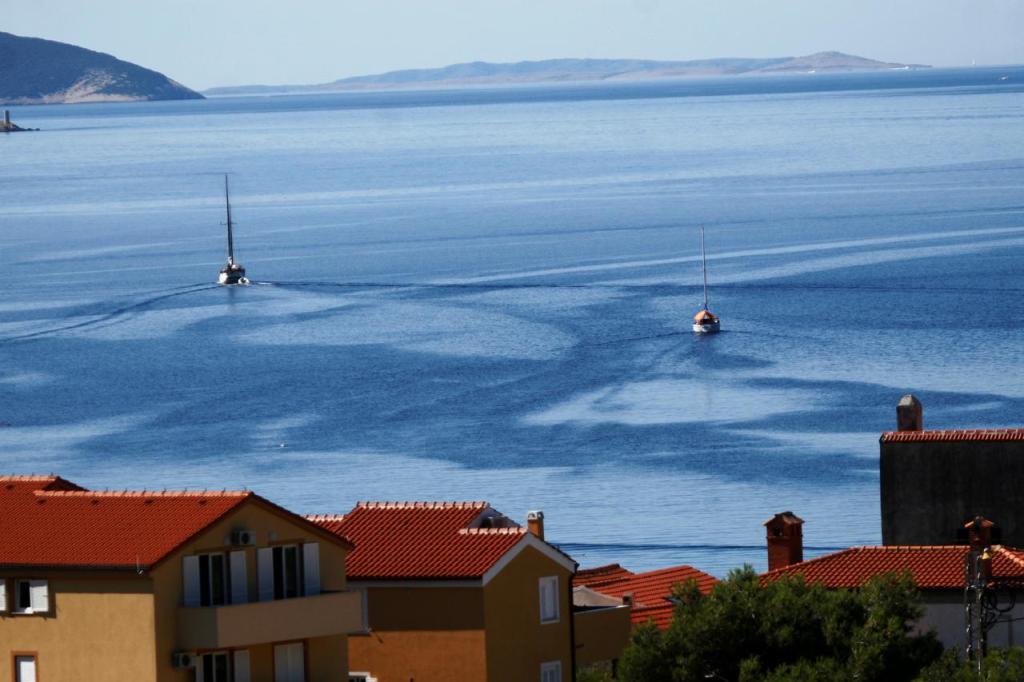
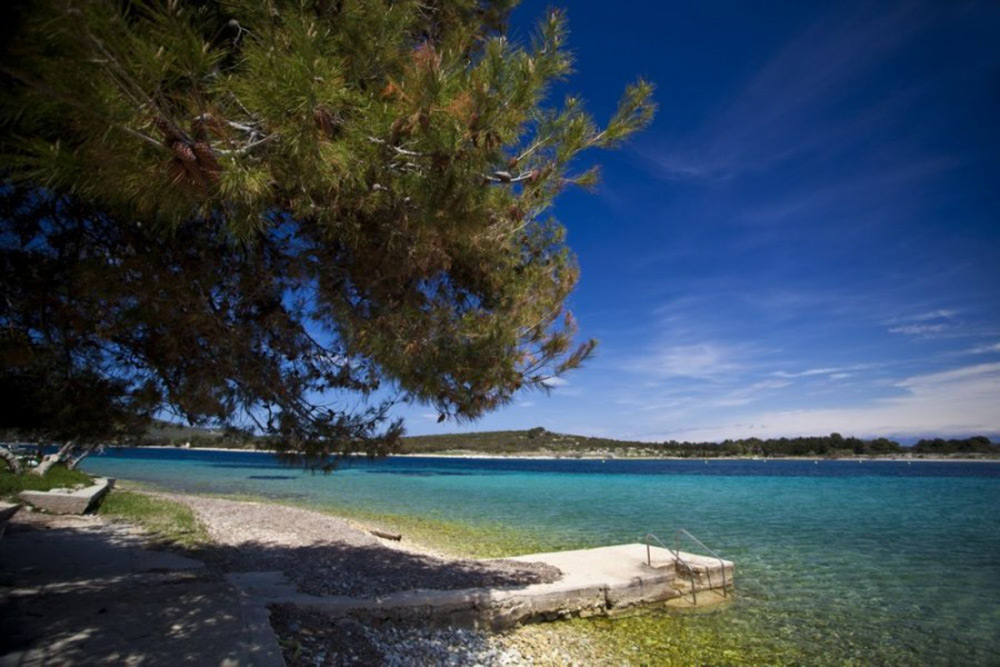
South of Cres, across the narrow Kavuada Channel, lies Lošinj — an island known for its sheltered bays, clear waters and long‑established pine forests. Cikat Bay is one of its best‑known beaches, though the island offers many quieter coves as well.
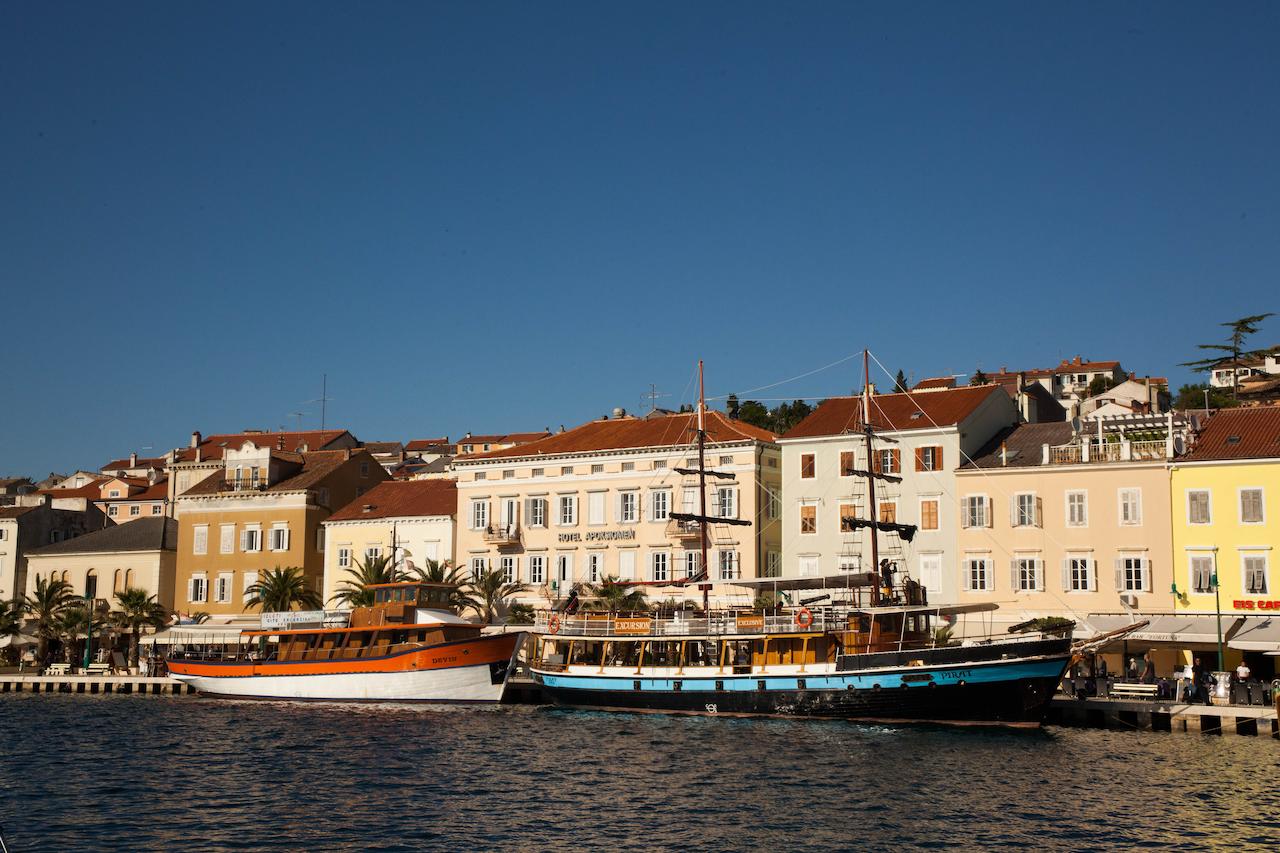
Mali Lošinj, the island’s main town, sits on the southern side of the Bay of Lošinj. Its position helped it become an important maritime centre, and today it is one of the largest towns in the Adriatic. Venetian influences are still visible in its pastel‑coloured façades and the lively harbourfront, which is especially pleasant in the early evening.
Originally settled in the 12th century, Mali Lošinj prospered through fishing, sailing and shipbuilding, reaching its peak in the late 19th century during the age of sail. When steamships replaced traditional vessels, the town reinvented itself as a health resort, thanks to its mild climate and scented air. Today it is the island’s main hub, with a wide range of shops, cafés and seaside promenades.
Further north, Nerezine sits at the foot of Mount Osoršćica (also known as Televrin). Once known for its skilled shipbuilders, the village was discovered by early travellers in the 19th century — among them Rudolf Habsburg, who climbed Osoršćica in 1887. It remains the starting point for walks to the summit, widely considered one of the most beautiful viewpoints in the Adriatic.
Nerezine is still a working community of around 400 residents, with a small shipyard dedicated to wooden boats, along with shops, cafés and everyday services. Its hillside setting, scattered with olive groves, small fields and gardens, gives it a particularly peaceful character. Just 4km away, the ancient port of Osor links Cres and Lošinj. Once an important trading centre and later a bishopric, it now hosts a summer classical music festival and offers visits to its cathedral, archaeological collection and the remains of two historic monasteries.
We look forward to being of service.
Hotels to visit
Where to stay
.jpg)
.jpg)
.jpg)
.jpg)
Flexible Tailor-Made Holidays
- We believe passionately that no two holidays should be the same.
- With our flexible tailor-made holiday options you can travel at your own pace.
- Rediscover a city, a resort or an island in a weekend or longer.
- Take a small group tour or embark upon a more adventurous trip.
Trusted Service
- ATOL cover for flight inclusive holidays.
- One of us at Rediscover the World is very likely to have visited the hotels and travelled along the routes on your itinerary.
- Dynamic, comprehensive travel app with all your documents, maps and much more.
- Full financial protection for your holiday (TTA).
Why book Croatia with us ?
- More than 30 years experience of the region
- Unrivalled expertise of local partner
- Fly-drive holidays in Croatia & neighbours
- Island Hopping / Activity holidays
- Food-themed breaks & Christmas Markets
- Honeymoons
- 24hr assistance in Croatia